
Sutera foetida
Sutera foetida
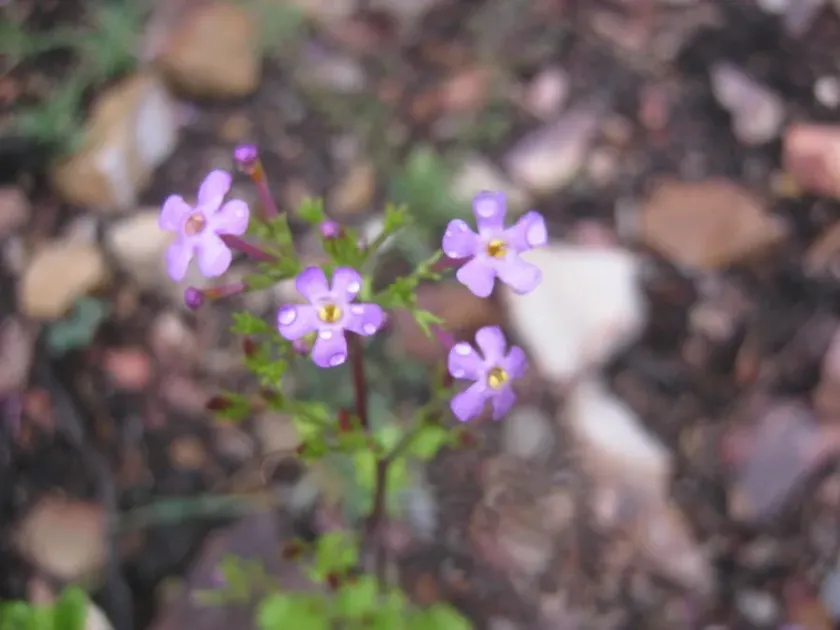
Description
Sowing dates
Propagation of Sutera foetida is primarily performed through stem cuttings, ideally taken in late winter or early spring. For seed cultivation, start indoors in February or March to ensure robust plants for the upcoming season.
Seeds should be sown on a light, well-draining substrate. Because they require light to germinate, press them gently onto the surface without covering them with soil. Cover trays with clear plastic to maintain consistent humidity.
Once seedlings reach a height of 5 to 7 centimeters, prick them out into individual pots. This process strengthens the root system and prepares the young plants for their eventual transition to the outdoors.
Transplanting into the garden or permanent containers should occur only after all risks of frost have passed. In most temperate regions, this is generally scheduled for late May or early June.
When planting in containers, space the plants appropriately to allow for their trailing growth habit. Using 3-5 plants in a standard 25-centimeter basket will result in a dense, lush display of flowers.
Growing requirements
Sutera foetida belongs to the Scrophulariaceae family and is native to southern Africa. While it is a perennial in its natural habitat, it is usually cultivated as an annual ornamental in colder regions.
This crop thrives in sunny locations but requires partial shade during the hottest hours of the day to prevent leaf scorch. Excessive shade will lead to leggy growth and reduced flower production.
The soil must be fertile and possess excellent drainage. Incorporating perlite or vermiculite into the potting mix is crucial to prevent waterlogging, which the plant cannot tolerate.
Regular watering is essential during the active growing season. The soil should remain consistently moist; allowing the root zone to dry out completely will cause the plant to drop its buds prematurely.
Maintain temperatures between 18 and 25 degrees Celsius for optimal growth. During heatwaves, provide extra humidity and keep the plant in a cooler, airy spot to prevent it from wilting.
Main diseases and pests
Fungal diseases, particularly grey mould, are the most frequent threats when humidity is high and airflow is poor. Keeping the foliage dry and providing good spacing helps minimize these risks.
Pests like spider mites and whiteflies are common, especially in dry and hot conditions. They feed on the sap of tender leaves, which can lead to yellowing, distortion, and stunted plant development.
Preventive measures include periodic inspections and ensuring that the plants are not overcrowded. Good air circulation is the best natural defense against most foliage-attacking pests and pathogens.
Root rot is typically caused by poorly drained soil or excessive irrigation. If the plant shows signs of wilting despite being watered, inspect the roots and repot into a fresh, well-draining medium.
Chlorosis, or yellowing of the leaves, is often a sign of iron or magnesium deficiency. Supplemental feeding with chelated micro-nutrients can quickly restore the green color and vitality of the leaves.
Harvesting
The utility of Sutera foetida is purely ornamental. It is highly valued for vertical landscaping, balcony boxes, hanging baskets, and as a groundcover in flower beds due to its trailing growth habit.
To maintain a high level of decorative quality, regular pruning is necessary. Pinching back the tips and removing faded flowers encourages branching, resulting in a much fuller and more floriferous plant.
Apply balanced liquid fertilizers for flowering plants every two weeks throughout the season. Phosphorus and potassium are vital for sustaining the continuous formation of flowers.
The "foetida" (stinking) part of its name refers to the distinctive aroma emitted by the foliage when touched. This should be considered if placing the plant in confined, poorly ventilated spaces.
At the end of the season, if you wish to overwinter the plants, move them to a cool, bright location with temperatures around 10-12 degrees. This allows for cuttings to be taken early next spring.