
Heliamphora nutans
Heliamphora nutans
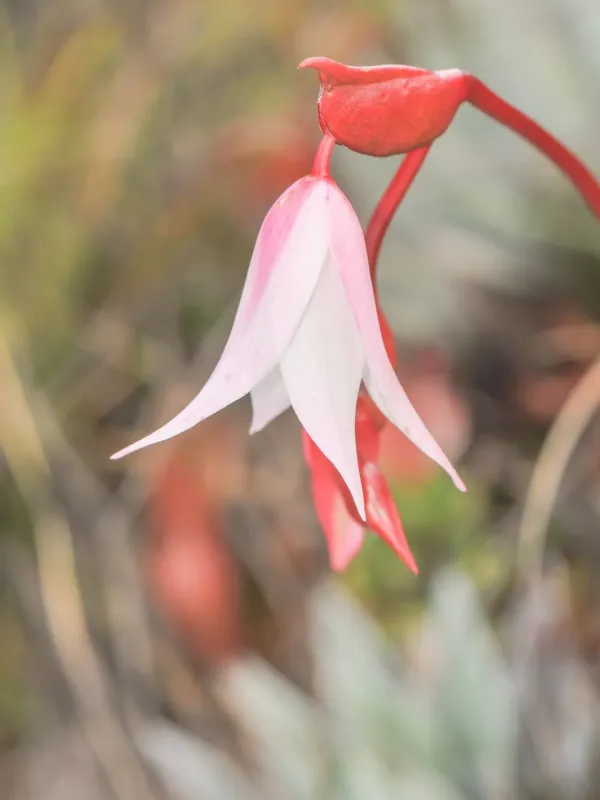
Description
Growing requirements
Heliamphora nutans is a prominent member of the Sarraceniaceae family. It is endemic to the remote tepui mountains of the Guiana Highlands in South America, where it thrives in cool, misty, and high-altitude environments.
The plant is categorized as a carnivorous pitcher plant. Its specialized leaves are adapted to trap insects by utilizing a combination of nectaries, downward-pointing hairs, and a pool of digestive fluid contained within the pitcher-shaped traps.
Cultivation requires strict adherence to highland conditions. These plants perform best under bright, indirect light and require a significant drop in temperature during the night to maintain metabolic health.
The substrate must be nutrient-poor and highly permeable. A mixture of long-fibered sphagnum moss, perlite, and silica sand is considered standard. The medium should be kept consistently moist but never waterlogged to prevent rot.
Pure water is an absolute requirement. Even trace amounts of dissolved minerals or chemicals common in tap water can cause irreversible damage to the sensitive root system and overall health of the specimen.
Main diseases and pests
Fungal infections, such as those caused by stagnant air or poor drainage, are the most significant threats to Heliamphora nutans. Maintaining adequate air circulation is essential for the longevity of the plant.
Pests like spider mites and mealybugs can occasionally infest the foliage, particularly in greenhouse settings. Manual removal or soft contact treatments are preferred over heavy chemical pesticides, which can damage the delicate pitcher tissues.