
Chrysophyllum lanceolatum
Chrysophyllum lanceolatum
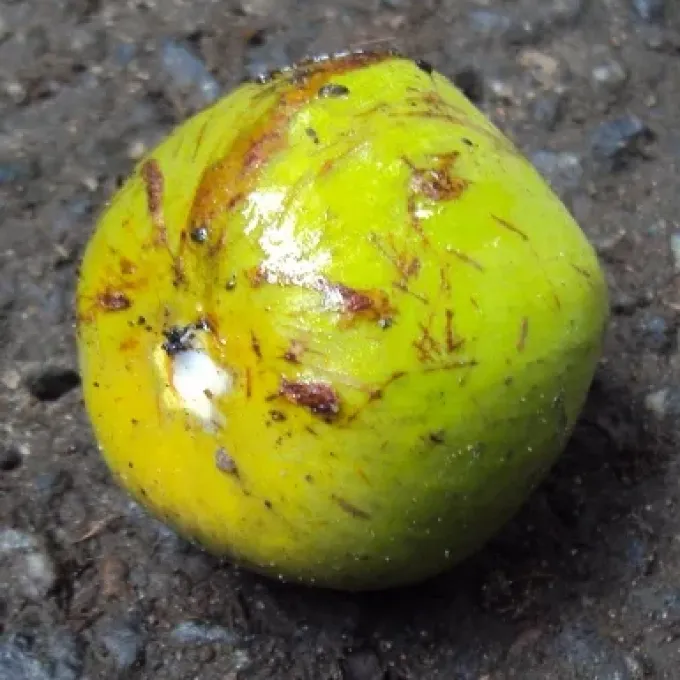
Description
Growing requirements
Chrysophyllum lanceolatum is a prominent member of the Sapotaceae family, native to the tropical forests of South America. It is recognized for its distinctive evergreen foliage and specific ecological adaptations.
This species thrives in tropical climates characterized by consistent high temperatures and high humidity levels throughout the year. It lacks cold tolerance, making it unsuitable for cultivation in regions prone to frost.
Successful cultivation requires well-drained, fertile soils rich in organic matter. Proper soil management is essential to prevent waterlogging, which significantly impairs the root development of this tree.
The botanical structure of the plant features lanceolate-shaped leaves that are structurally adapted to minimize moisture loss. The tree can reach significant height, requiring sufficient spacing for canopy expansion and light penetration.
Agronomic practices involve regular irrigation during dry spells and the application of balanced organic fertilizers to promote vigorous growth. Managed pruning is often performed to maintain the tree's health and enhance fruit production quality.
Main diseases and pests
Fungal diseases are a primary concern for this crop, particularly in environments with poor air circulation and high ambient humidity levels.
Common insect pests, such as scales and mealybugs, target the leaves and young shoots. These infestations can weaken the plant's health if not addressed through timely manual or chemical interventions.
Root rot caused by stagnant water is a critical threat, necessitating the installation of adequate drainage systems in orchards or plantations.
Nematode activity can occasionally affect seedlings in nursery settings, requiring the use of sterilized growing media and strict phytosanitary control measures.
Regular orchard inspections are vital to detect early signs of pest outbreaks. Early diagnosis allows for targeted treatments, which are more effective than broad-spectrum applications.