
Zanthoxylum schinifolium
Zanthoxylum schinifolium Siebold & Zucc.
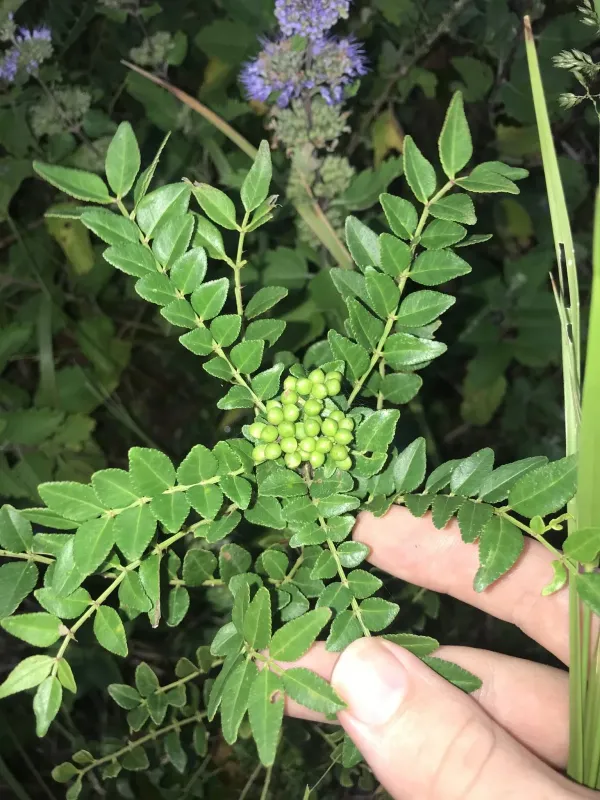
Description
Sowing dates
Zanthoxylum schinifolium is a member of the Rutaceae family, valued for its aromatic qualities. The seeds possess a hard coat, necessitating a period of cold stratification lasting between 60 and 90 days at low positive temperatures to break dormancy and ensure consistent germination.
Sowing in open fields is typically performed in late autumn, allowing the seeds to undergo natural stratification during the winter months. Alternatively, spring sowing can be done after the stratification period is complete, provided the soil has warmed up sufficiently.
For large-scale cultivation, maintaining proper spacing is essential to facilitate mechanical operations. Planting rows should be spaced at least 2 to 3 meters apart, ensuring optimal light penetration and airflow through the canopy of the growing plants.
The establishment phase requires diligent weed control, as young seedlings grow relatively slowly and can be easily outcompeted by aggressive vegetation. Mulching the base of the plants helps retain moisture and inhibits the emergence of weeds during the initial years.
The selection of the planting site is critical for the long-term success of the plantation. Well-drained, fertile soil with a neutral to slightly acidic pH is preferred, as these conditions support robust root development and prevent waterlogging-related issues.
Growing requirements
Full sun exposure is paramount for Zanthoxylum schinifolium to thrive. Adequate sunlight is directly correlated with the accumulation of essential oils in the fruit, which determines the strength of the plant's characteristic aroma and overall spice quality.
While the plant displays moderate cold hardiness, it requires protection from harsh, desiccating winds. In colder climates, young specimens benefit from protective coverings or heavy mulch around the root zone to protect against freezing temperatures.
Irrigation should be consistent but measured. The species is highly sensitive to waterlogged soil, which can rapidly lead to root rot. Monitoring soil moisture levels is vital, especially during the peak growing season when water demand is at its highest.
Regular fertilization with balanced NPK complexes during the spring stimulates vigorous vegetative growth. Incorporating organic matter, such as compost or aged manure, helps improve soil structure and provides a slow-release source of nutrients for the plant.
Routine cultivation of the soil surface around the plants encourages root aeration and water penetration. Keeping the root zone well-oxygenated is essential for maintaining the plant's metabolic health and overall resistance to environmental stresses.
Main diseases and pests
Fungal diseases, particularly leaf spots and root rots, pose a significant threat to the crop, especially in humid conditions. Maintaining adequate space between plants and pruning for airflow are primary cultural methods for mitigating these disease risks.
Common pests include aphids and scale insects, which feed on the tender young shoots and buds. These infestations can stunt growth and cause leaf distortion, necessitating regular inspections to detect and address pest populations at an early stage.
Integrated Pest Management (IPM) strategies, including the use of biological control agents, are recommended to maintain plant health. Chemical interventions should be used sparingly and always in accordance with local regulations to ensure product safety.
Sanitation practices, such as the removal and destruction of diseased or infested branches, are crucial for preventing the spread of pathogens. Keeping the orchard free of debris significantly lowers the inoculum pressure of various plant diseases.
Proactive treatments with copper-based fungicides in the early spring can provide a protective barrier against emerging infections. This preventive approach helps ensure a healthy start to the growing season and improves overall plantation productivity.
Harvesting
The harvest timing is crucial; it occurs when the fruits reach maturity and start to open naturally. Collectors must monitor the plantation closely, as harvesting too early results in underdeveloped flavors, while waiting too long causes significant loss of essential oils.
Harvesting is labor-intensive and is usually performed manually using shears. Given the presence of sharp thorns on the branches, harvesters must wear protective gear to prevent injuries while picking the fruits from the bushes.
Post-harvest, the fruits should be dried in a shaded, well-ventilated area or in mechanical dryers at controlled temperatures. Proper drying is essential to retain the vibrant, citrus-like aromatic compounds that define the high quality of this spice.
Once dried, the fruits are processed to separate the aromatic husks from the bitter seeds and debris. The processed husks are the final product, which may be sold whole or ground into a fine powder for culinary applications.
Storage should take place in airtight, light-proof containers kept in a cool and dry environment. Following these storage protocols ensures that the aromatic properties remain stable, allowing for market distribution throughout the entire year.