
Yellow sandalwood
Zanthoxylum flavum Vahl
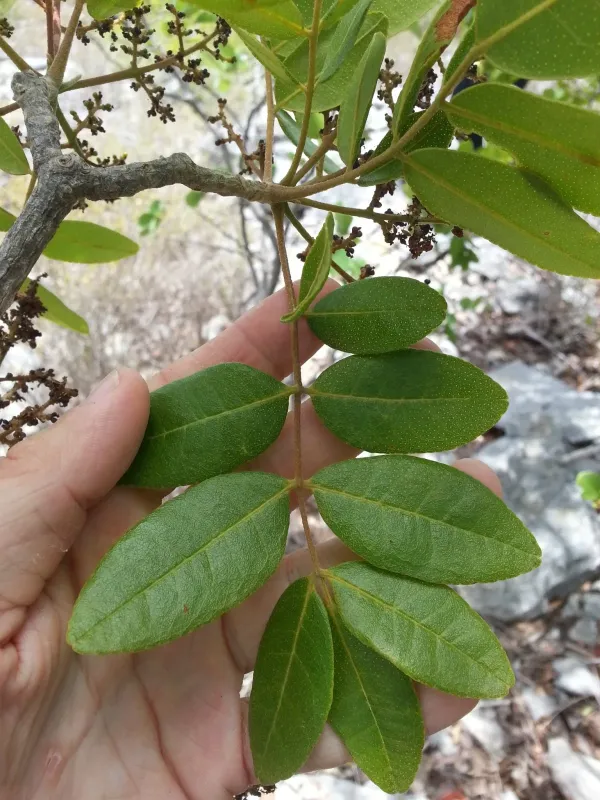
Description
Growing requirements
Yellow sandalwood (Zanthoxylum flavum) is a prominent tree species within the Rutaceae family. It is native to the Caribbean region, where it thrives in tropical environments.
This species requires a warm, tropical climate to flourish, showing high sensitivity to frost and cold snaps. It typically grows at lower elevations where temperatures remain consistently high throughout the year.
The tree prefers well-drained, limestone-based soils which are prevalent in its natural habitat. Proper site selection is crucial for the healthy development of its root system and overall vigor.
Adequate sunlight is essential for the tree's photosynthesis and growth. While young trees might tolerate light shade, mature individuals require full exposure to develop their characteristic sturdy trunks.
Agrotechnical management involves careful soil monitoring to prevent drainage issues. Maintaining a balanced environment ensures the tree reaches its potential without falling prey to moisture-related stress.
Harvesting
The primary economic value of this tree is its high-quality timber, globally recognized as West Indian satinwood. It is prized for its golden luster, fine grain, and aromatic qualities.
Harvesting is a long-term commitment due to the species' slow growth rate. Due to historical overexploitation, current harvesting practices are strictly regulated under conservation laws.
Satinwood is highly sought after by furniture makers and instrument crafters. Its unique aesthetic properties make it a premium material in the global decorative arts market.
Sustainable forestry practices are now prioritized to ensure the survival of Zanthoxylum flavum. Modern harvesting often involves replanting schemes to restore depleted woodlands.
Beyond the timber, the tree is of interest for its chemical properties. Ongoing research into its potential medicinal applications is expanding the understanding of this versatile species.