
Japanese pepper
Zanthoxylum piperitum DC.
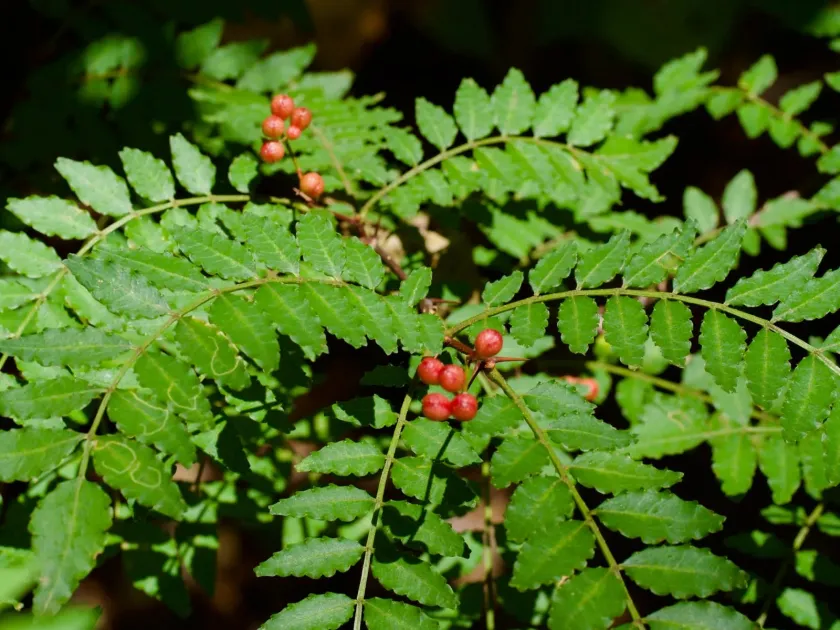
Description
Sowing dates
Sowing seeds of Zanthoxylum piperitum is best performed in the autumn, as seeds typically require a natural period of cold stratification to break dormancy.
For spring planting, seeds must undergo artificial cold stratification at temperatures between +1 and +5 degrees Celsius for at least two to three months.
Seeds should be sown in a well-draining substrate at a depth of about 1–2 centimeters, ensuring the soil remains moist until germination occurs.
When transplanting into the field, provide adequate spacing of approximately 1.5 to 2 meters between bushes to allow for sufficient air circulation.
Propagation via cuttings is also a viable agricultural method, often used to produce uniform clones that reach the fruiting stage faster than seed-grown plants.
Growing requirements
Japanese pepper is a deciduous shrub belonging to the Rutaceae family, naturally occurring across temperate regions of East Asia.
The crop thrives in full sun but prefers locations protected from harsh, cold winds, which helps prevent winter dieback in younger branches.
Soil requirements focus on excellent drainage, as the species is highly sensitive to waterlogging, which often leads to root development issues.
Regular irrigation is essential during the active growing season; however, once established, the plant shows moderate tolerance to short dry spells.
While relatively hardy, the plant may benefit from mulching around the root zone to protect it during the first few years in colder climates.
Yield
Commercial yields typically begin around the third or fourth year of cultivation, with the tree reaching its full production potential by year seven to ten.
The primary agricultural product is the fruit husks, which are harvested for their strong citrus-like aroma and unique numbing properties in culinary use.
Young leaves are also harvested throughout the growing season, serving as a secondary crop popular in various culinary applications for their scent.
Total yield per plant varies based on tree age and management practices, such as consistent fertilization and appropriate pruning of old wood.
Strategic pruning is a key agricultural technique that encourages new shoot growth, effectively increasing the surface area for future fruit production.
Main diseases and pests
Pests such as aphids and spider mites are common threats that can significantly reduce leaf quality and inhibit overall plant vigor during dry weather.
Root rot is a major disease concern, usually caused by poor soil drainage and excessive moisture, which can quickly lead to the death of the shrub.
Effective management includes regular monitoring of the foliage and maintaining a clean environment around the base of the plant to prevent pathogens.
Integrated pest management, including the use of biological control agents, is recommended to keep pest populations below the economic threshold.
Proper aeration of the planting site is critical to reducing the incidence of fungal diseases and ensuring a healthy development cycle for the crop.
Harvesting
Harvesting should occur when the seed pods have reached full maturity and begin to split open to reveal the dark, glossy seeds inside.
The pods are harvested by hand, often by clipping the entire fruit clusters to minimize damage and prevent the loss of individual seeds during collection.
Post-harvest processing involves air-drying the pods in a shaded, well-ventilated environment to preserve the volatile oils responsible for the spice's aroma.
Once dried, the husks are typically separated from the black seeds, as the husks contain the concentrated flavor profile required for the spice market.
For optimal shelf life, the final product must be stored in airtight containers away from heat and light to retain its potency and aromatic quality.