
Triphasia trifolia
Triphasia trifolia
Description
Sowing dates
Triphasia trifolia is primarily propagated via seeds or vegetative cutting. Seeds should be extracted from fresh, ripe fruits and sown immediately into a well-drained, light potting mix to ensure optimal germination rates.
Maintaining a constant soil temperature between 22–25 degrees Celsius is critical for the seeds to germinate. Depending on the freshness of the seeds and moisture levels, the germination process typically lasts from three to six weeks.
Propagation by cuttings is best performed in late spring, selecting semi-hardwood shoots. The use of rooting hormones significantly enhances the success rate for young saplings within greenhouse settings.
Young plants require individual potting as they develop their root systems. It is essential to ensure that the root crown remains at the soil surface to prevent fungal diseases that often affect young citrus-related species.
For container-grown plants, a mixture consisting of loam, compost, and coarse sand provides the ideal structure. This blend ensures excellent aeration while preventing excessive water retention at the bottom of the pot.
Growing requirements
Triphasia trifolia belongs to the Rutaceae family and is native to Southeast Asia. It thrives in environments with bright, indirect sunlight, preferring filtered light over harsh, direct exposure.
The plant is highly sensitive to cold temperatures and cannot survive frost. Consequently, it is grown primarily as an indoor plant or within greenhouses in regions with temperate climates.
To keep the plant healthy, a humidity level of 60–75 percent should be maintained. If the ambient air is too dry, regular misting is necessary to prevent leaf chlorosis and premature leaf drop.
Watering should be consistent but moderate, allowing the top layer of soil to dry out slightly before the next irrigation. During the winter dormancy period, watering frequency must be reduced significantly.
Regular fertilization with a balanced citrus-specific nutrient solution is required during the active growing season. Applying fertilizer every two weeks promotes healthy shoot development and supports flowering.
Yield
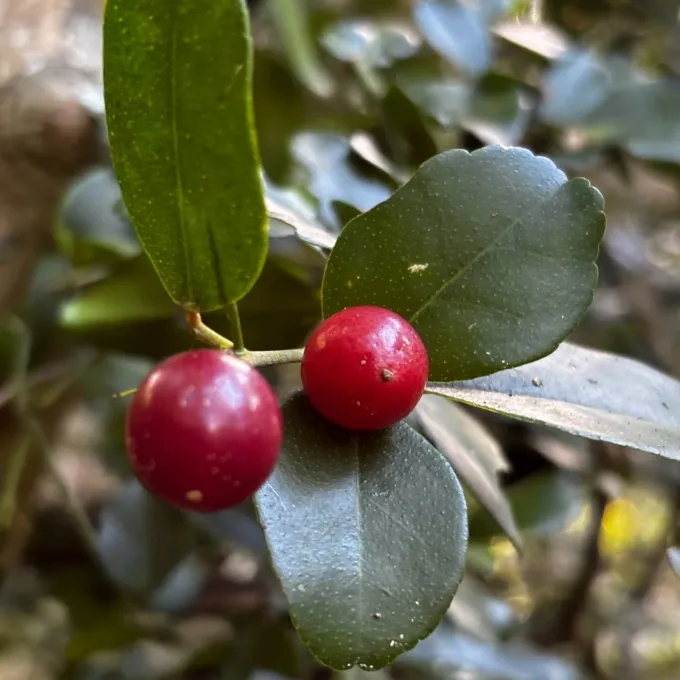
The fruits of this species are small, reddish berries that resemble miniature limes in texture and appearance, earning the plant its common name: lime berry.
Yield capacity depends heavily on the age of the specimen and environmental conditions. Mature plants grown in optimal conditions can produce hundreds of small fruits per season, which typically ripen progressively.
Culinary uses for lime berries include making jams, preserves, and flavorings for beverages. The flavor is distinctively tangy and sweet, characteristic of its family, yet with a unique exotic profile.
Although it is not currently a mass-produced commercial crop, the lime berry is highly valued among collectors and home gardeners. The small size of the fruit makes it an excellent choice for artisanal food production.
Productive fruiting usually begins within 3 to 5 years of cultivation. Strategic pruning of the canopy helps manage the size and structure, allowing for increased fruiting sites across the shrub.
Main diseases and pests
Common pests include spider mites, scale insects, and mealybugs. These pests thrive in dry indoor conditions and can multiply rapidly if left unchecked on the foliage and stems.
Treatment involves the use of systemic insecticides or regular cleaning of leaves with mild soap solutions. Proactive inspections are essential to prevent heavy infestations that can stress the plant.
Root rot is the most common condition caused by improper watering practices and poor drainage. If signs of rot appear, the plant must be repotted into fresh, sterile soil after removing damaged roots.
Leaf chlorosis is frequently linked to iron deficiencies in container environments. Applying chelated iron supplements or adjusting the soil pH helps restore healthy green coloration to the foliage.
Powdery mildew may occur if ventilation is inadequate. Maintaining good airflow around the plant and applying fungicides as needed is effective in controlling these fungal outbreaks.