
Ravenia spectabilis
Ravenia spectabilis
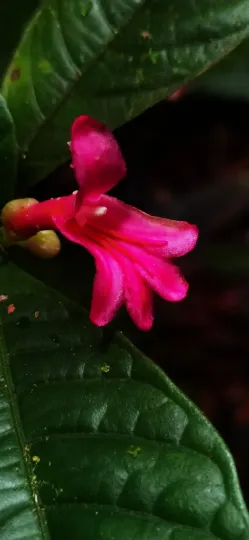
Description
Growing requirements
Ravenia spectabilis is a striking evergreen shrub belonging to the Rutaceae family. It is widely recognized for its high ornamental value and is specifically adapted to humid tropical environments where it can flourish as an attractive perennial component.
The plant originates from the tropical regions of South America. In agricultural and horticultural practices, it is typically cultivated in greenhouse conditions or tropical gardens for its aesthetic foliage and distinct botanical features.
Successful cultivation requires a climate that maintains consistent warmth throughout the year. Temperatures below 15 degrees Celsius are generally considered unsuitable for the long-term health and vegetative growth of this species.
The plant thrives in fertile, well-draining soil mixtures that are slightly acidic to neutral. High organic matter content is beneficial, though the medium must remain porous to prevent root asphyxiation during wet periods.
Light management is crucial, as the plant prefers bright, filtered sunlight. Exposure to harsh, direct sunlight, especially in mid-afternoon, can cause leaf chlorosis and scorched edges, impacting the overall vitality of the specimen.
Main diseases and pests
Pests such as scale insects and spider mites are the primary threats to Ravenia spectabilis. These organisms often infest the underside of leaves and soft stems, sucking sap and weakening the plant structure.
Root rot, often caused by pathogenic fungi such as Phytophthora or Pythium, is a significant risk factor if the drainage system is inadequate or if irrigation cycles are poorly timed.
Integrated pest management (IPM) should involve biological controls where possible, combined with targeted chemical applications only when pest populations exceed economic or aesthetic thresholds.
Maintaining adequate spacing between individual plants ensures better airflow, which significantly reduces the humidity levels that favor the spread of fungal spores and bacteria.
Regular sanitation, including the removal of dead or decaying organic material, is essential to minimize the inoculum pressure within the growing environment.