
Euodia hortensis
Euodia hortensis
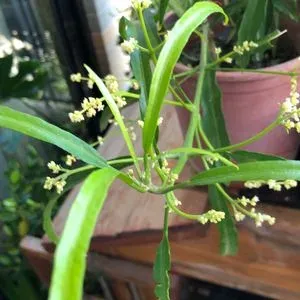
Description
Sowing dates
Seeds of Euodia hortensis require a stratification period of 2–3 months at low temperatures to break dormancy and ensure high germination rates before spring sowing.
If sown in spring, it is recommended to mix the seeds with damp sand and keep them in a cool environment, such as a refrigerator, to simulate winter conditions.
The seeds should be planted in a lightweight, well-draining soil mix at a depth of approximately 0.5 to 1 cm to promote optimal root and shoot development.
In a greenhouse setting, maintaining a stable temperature between +18 and +22 degrees Celsius will significantly improve the uniformity of the emerging seedlings.
Once the seedlings have developed their first true leaves, they should be carefully transplanted into individual pots to provide adequate room for root growth.
Growing requirements
Euodia hortensis, a member of the Rutaceae family, thrives in sunny, well-protected locations that provide shelter from harsh, cold winds during the winter months.
The soil should be fertile, loose, and possess excellent drainage qualities, as the plant prefers neutral to slightly acidic pH levels for optimal nutrient uptake.
Young plants are particularly sensitive to frost and require protective covering or must be kept in containers until they are mature enough to withstand local weather conditions.
Regular, moderate watering is essential for the healthy growth of this species, as it avoids both the stress of drought and the risks associated with waterlogged roots.
To support vigorous growth, the trees benefit from balanced fertilization throughout the active growing season, which lasts from early spring to late mid-summer.
Yield
The primary agricultural value of Euodia hortensis lies in its exceptional nectar production, making it a highly sought-after plant for professional apiculture.
The tree typically reaches the stage of productive flowering between 5 and 7 years of age, depending on the growing climate and the level of care provided.
The flowers attract various pollinators, providing a steady and abundant source of nectar during the summer season when other floral sources may be scarce.
The fruits, which are small leathery follicles, contain seeds that can be harvested for propagation purposes or utilized in specialized chemical extraction processes.
Beyond its honey-producing capabilities, the plant is valued for its unique foliage and overall aesthetic, contributing to both ecological health and landscape design.
Main diseases and pests
Common pests affecting Euodia hortensis include aphids and spider mites, which frequently attack the tender new growth during hot and dry weather conditions.
Fungal diseases, such as powdery mildew or various leaf spots, may develop in dense plantings where air circulation is restricted within the tree canopy.
Root rot represents a significant threat to the plant's longevity, usually caused by poor drainage or excessive irrigation practices in heavy, clay-based soils.
Integrated pest management, including the use of targeted biological controls and preventative pruning, is crucial for maintaining the health of the cultivation.
Sanitation practices, such as removing infected branches and ensuring proper spacing between trees, effectively minimize the spread of common horticultural pathogens.