
Esenbeckia leiocarpa
Esenbeckia leiocarpa
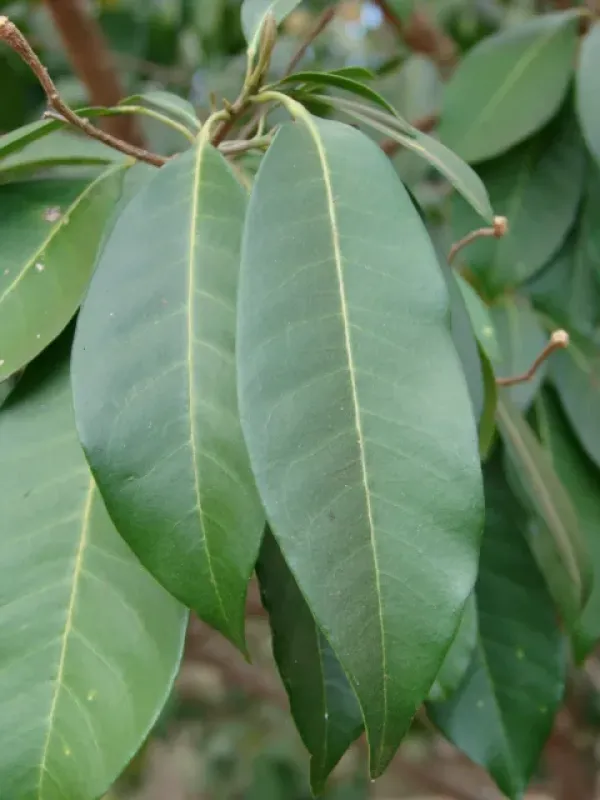
Description
Growing requirements
Esenbeckia leiocarpa is a distinguished tree species belonging to the Rutaceae family. It is widely recognized for its exceptionally dense, heavy, and durable wood, commonly referred to in trade as guatambu.
The natural habitat of this species is found in the tropical forests of South America, primarily within Brazil. It thrives in environments characterized by stable high temperatures and consistent levels of annual rainfall.
For successful cultivation, the species requires fertile, well-draining soils with a neutral or slightly acidic pH. Proper soil aeration is critical, as the roots are highly susceptible to damage from waterlogging or stagnant water.
The tree exhibits a preference for full sun exposure, which is necessary to achieve optimal biomass production. While saplings can tolerate partial shade, establishing a canopy that allows maximum light penetration is essential for commercial plantations.
Silvicultural management involves careful pruning to ensure the development of a straight trunk, maximizing the quality of the timber for furniture manufacturing, tool handles, and premium architectural finishings.
Main diseases and pests
The primary threats to Esenbeckia leiocarpa in nursery conditions include root rot caused by pathogenic fungi. These infections are almost always a result of excessive moisture or improper drainage in the growing medium.
Leaf-eating insects can cause significant damage to young plantations during the peak growing season. Integrated pest management strategies are often necessary to maintain healthy foliage and ensure vigorous tree growth.
Wood-boring beetles present a latent risk to standing mature trees, particularly if the trees are under drought stress. Maintaining consistent hydration and soil nutrient availability is the best preventive measure against infestations.
Nutrient deficiencies, specifically in iron or magnesium, can inhibit development and lead to chlorosis. Regular soil testing and the application of targeted micro-fertilizers are recommended for plantations aiming for high yield.
Weed management is critical during the first three years of growth. The presence of aggressive ground cover can steal essential nutrients and moisture, severely restricting the development of the root system and stem girth.