
Burning bush
Dictamnus albus L.
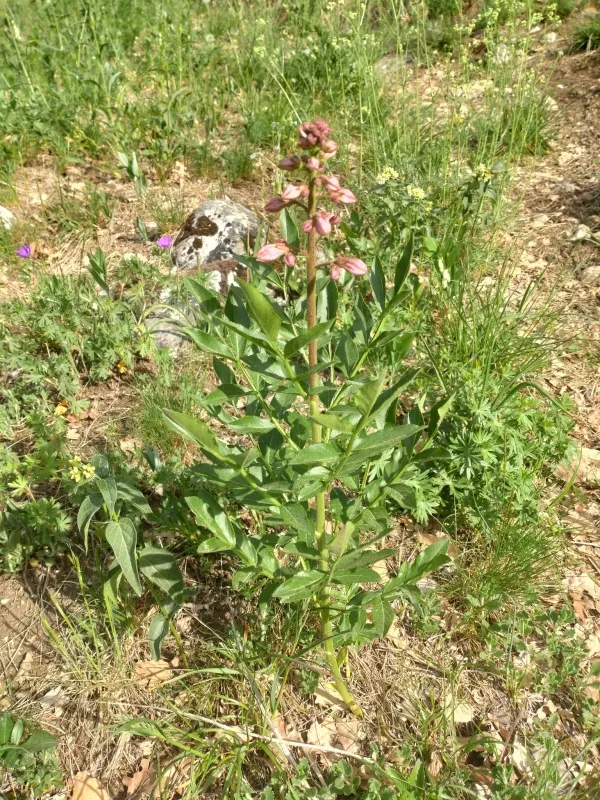
Description
Sowing dates
Sowing of Dictamnus albus seeds is best performed in late autumn, as the seeds require a period of natural stratification lasting 3–4 months. Spring planting often results in low germination rates, so immediate sowing after collection is highly recommended for optimal development.
The seeds should be planted at a shallow depth of 1–2 centimeters. It is crucial to maintain moderate soil moisture during the first few weeks after germination, as the young seedlings are delicate and sensitive to the drying out of the topsoil layer.
During the first year, the plant grows very slowly, forming only a small basal rosette. Agronomic practice suggests that transplanting to a permanent location should only occur after two years, once the root system has become sufficiently established to withstand moving.
Space the plants at least 50–60 centimeters apart to accommodate their eventual size. Propagation by seeds is the most reliable method to maintain the population, although it requires patience, as the first flowering may take three to five years to occur.
Vegetative propagation via division is possible but risky due to the plant's fragile roots. Any mechanical damage during the division process can lead to significant stress or the death of the mother plant, so it must be done with extreme care during the dormant season.
Growing requirements
Dictamnus albus, a member of the Rutaceae family, thrives in open, sunny environments. The plant prefers light, nutrient-rich soils with a neutral or slightly alkaline pH. If the soil is acidic, the application of lime or dolomite powder is necessary to ensure healthy growth.
This perennial is remarkably drought-tolerant and hardy, capable of surviving harsh winters without extra protection. Its deep taproot allows it to access water from deeper soil horizons, making regular irrigation unnecessary except during prolonged periods of drought.
Effective soil drainage is critical for the success of this crop. The plant is prone to root rot in waterlogged conditions, so planting in low-lying areas or heavy clay soils must be avoided unless an artificial drainage system is installed to prevent moisture accumulation.
The crop requires minimal intervention beyond weeding and loosening the soil. However, it is essential to be aware of the plant's essential oils, which contain furocoumarins; these can cause skin irritation or chemical burns upon contact with sunlight, necessitating the use of protective gloves and long sleeves.
While the burning bush is not overly demanding in terms of fertilization, applying organic matter once every two years during autumn cultivation is sufficient. Excess nitrogen should be avoided, as it encourages excessive foliage growth at the expense of floral development.
Main diseases and pests
Dictamnus albus exhibits high resistance to most diseases due to its potent secondary metabolites. The essential oils released by the foliage act as a natural deterrent against many insect pests, significantly reducing the need for chemical pesticide application on plantations.
The primary threat to the crop is root rot caused by poor soil drainage and excessive humidity. Preventing water stagnation is the most effective way to avoid this problem. Proper field management, including ensuring good air circulation between plants, is essential for maintaining health.
Infrequent attacks by aphids may occur, but they rarely threaten the survival of the plant. If control measures are needed, biological pesticides or hand removal are preferred over harsh chemicals, which could potentially disrupt the delicate balance of the plant's microbiome.
Field sanitation is a key component of preventing fungal outbreaks. All dead or diseased plant material should be removed from the site promptly. This practice limits the potential for pathogens to persist in the soil and infect healthy specimens during the next growing season.
Workers must follow safety protocols strictly. Because the plant's oils are volatile and phytotoxic, safety measures are considered a form of "crop protection" for the laborers themselves, ensuring that site management can continue without health-related interruptions during the peak season.