
Clymenia
Clymenia polyandra
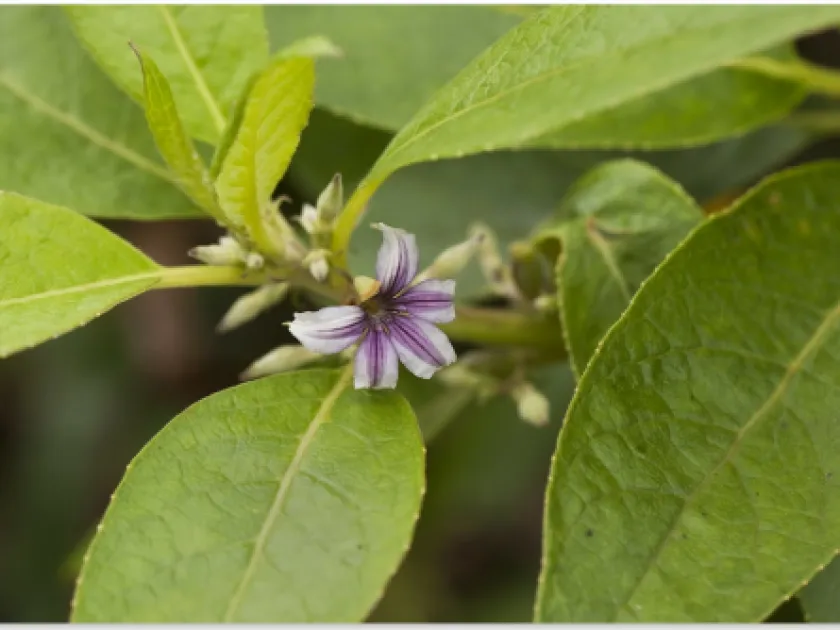
Description
Growing requirements
Clymenia (Clymenia polyandra) is a distinctive genus of evergreen trees belonging to the Rutaceae family. Once classified under the genus Citrus, it is now recognized as a separate genus due to its unique floral and fruit morphology that sets it apart from common oranges or lemons.
The species is native to the Bismarck Archipelago and parts of Papua New Guinea. It thrives in tropical climates characterized by high humidity, constant warmth, and high annual rainfall. It is highly sensitive to cold temperatures and cannot survive frost.
For optimal growth, Clymenia requires fertile, well-draining soil with a slightly acidic to neutral pH. The root system is prone to damage if exposed to waterlogged conditions, making proper soil structure and drainage essential for long-term health.
In its natural habitat, the plant grows to a height of 5 to 8 meters, developing a dense canopy of glossy, deep green foliage. It is known for its recurring blooming cycle, allowing for fruit production throughout the year in stable tropical environments.
Cultivation involves maintaining consistent moisture levels and providing balanced fertilization. The plant is typically grown in tropical garden settings rather than commercial plantations, as it remains a relatively rare and localized botanical curiosity.
Yield
The fruits of Clymenia are small, rounded, and possess a thin, fragrant rind. The flavor is described as a pleasant balance of acidity and sweetness, making the fruit a valuable local food source in the regions where it is cultivated.
The yield per tree depends significantly on the availability of nutrients and light. Since the tree does not follow a strict seasonal cycle in equatorial climates, it provides harvests periodically, contributing to a steady, small-scale supply of fresh fruit.
Uses of the fruit include fresh consumption, flavoring for local dishes, and preparation of juices. While not a global commodity, it holds cultural importance in the culinary traditions of Papua New Guinea.
Harvesting is typically performed by hand. The fruits are harvested once they reach their full maturity and typical skin color. Careful handling is necessary to prevent bruising, as the thin skin makes the fruit vulnerable to decay in tropical humidity.
Because the harvested fruit has a relatively short shelf life, it is primarily consumed locally or sold in nearby village markets, which limits its commercial availability outside its indigenous range.
Main diseases and pests
Clymenia is susceptible to typical citrus pests, including scale insects, mites, and mealybugs. These pests can infest the foliage and tender branches, significantly weakening the tree if left unchecked.
Fungal diseases are a major concern, particularly in high-humidity areas. Issues such as anthracnose or root rot can develop if the canopy is too dense or if the soil drainage is inadequate, preventing the roots from breathing.
Integrated pest management, including regular pruning for airflow and the use of targeted biological controls, is recommended. Maintaining a healthy nutritional status is also vital for the plant to defend itself against opportunistic pathogens.
- Monitor leaves for early signs of discoloration or pest colonies.
- Ensure sufficient spacing between trees to encourage air circulation.
- Avoid over-irrigation to prevent root-related fungal infections.
Proper soil fertility management is crucial to avoid nutrient deficiencies like magnesium or iron chlorosis, which can cause the plant to become stressed and more susceptible to various infectious diseases.