
Citrus warburgiana
Citrus warburgiana
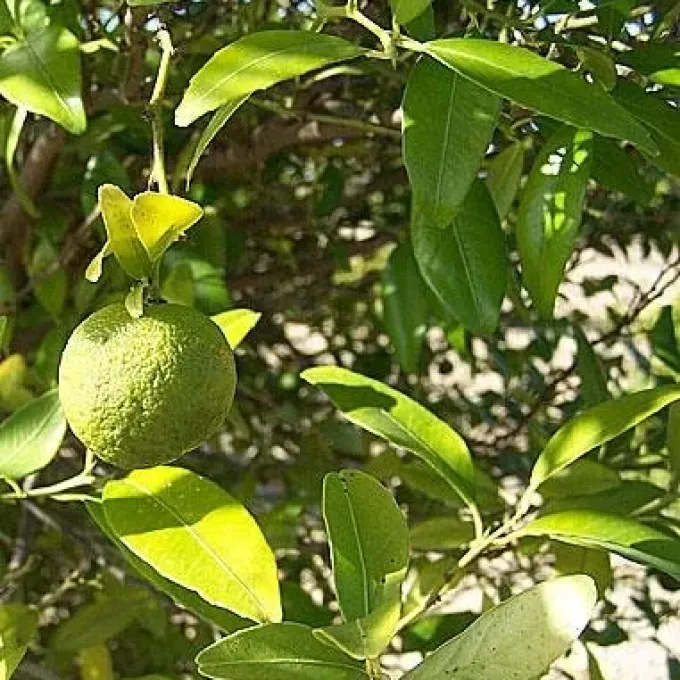
Description
Growing requirements
Citrus warburgiana is a distinct species belonging to the Rutaceae family, native to the tropical rainforests of the Philippines. It thrives in high-humidity environments and is well-adapted to the understory conditions of tropical ecosystems.
Cultivation requires fertile, well-draining soil with a pH level between 6.0 and 7.0. In controlled environments such as greenhouses, it is essential to mimic its natural habitat by maintaining a stable temperature range of 22–28 degrees Celsius throughout the year.
Proper light management is crucial for this species; while it prefers bright light, intense direct sunlight can cause leaf scorch, especially in younger plants. Providing dappled or filtered light ensures optimal photosynthetic efficiency and healthy foliage growth.
Watering protocols must be strictly followed, ensuring that the root zone remains consistently moist but never waterlogged. Regular misting is recommended to maintain the high atmospheric humidity required for the plant's metabolic processes to remain active.
The plant exhibits specific botanical features, including evergreen, leathery leaves and a robust, woody stem structure. These characteristics are typical of hardy tropical citrus varieties and provide resilience against the challenges posed by tropical climates.
Main diseases and pests
The primary pests affecting Citrus warburgiana in cultivation are spider mites and scale insects. These pests thrive in dry indoor conditions and can rapidly debilitate the plant if not addressed through consistent monitoring and mechanical or biological control.
Fungal pathogens, particularly root rot, are frequent issues arising from poor soil drainage and over-irrigation. Ensuring adequate aeration of the root system is the most effective preventative measure against these soil-borne diseases.
Aphid infestations on young, tender shoots can stunt growth and transmit viral agents. Early detection and the application of insecticidal soaps or horticultural oils can help manage these outbreaks effectively without harming the plant.
Sooty mold, caused by the excretion of honeydew-producing insects, can form a black coating on leaves. While not directly infectious, it blocks sunlight and hinders gas exchange, making immediate cleaning and pest management necessary.
Nutrient deficiencies, specifically magnesium and iron, often manifest as yellowing of the leaf tissue (chlorosis). Implementing a balanced fertilization schedule, particularly using chelated minerals, is recommended to maintain the plant's structural integrity.