
Clymenia
Clymenia platypoda
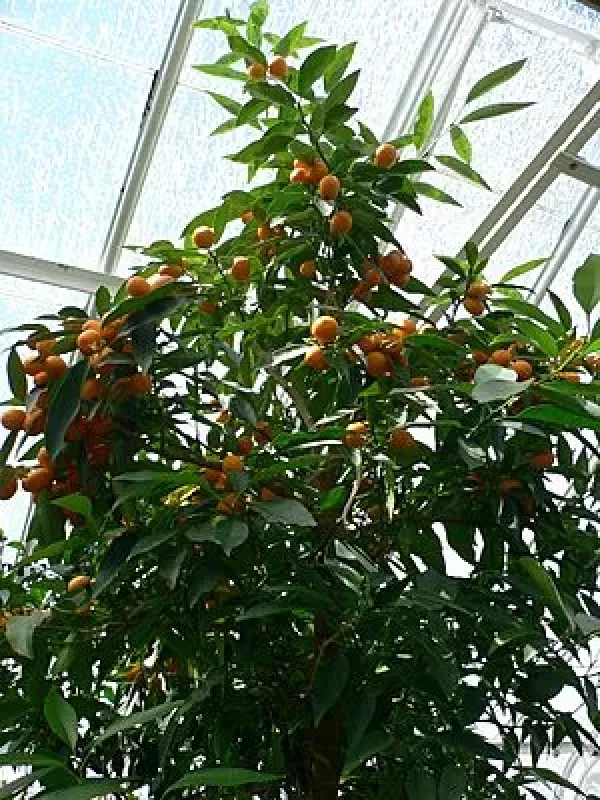
Description
Growing requirements
Clymenia platypoda is a unique evergreen species belonging to the family Rutaceae. Native to the Papua New Guinea region, this plant thrives in humid tropical rainforest environments, which define its ecological requirements.
The botanical structure of the plant features distinctively flattened leaf petioles, which serve as a primary taxonomic marker. These structures are typical for this genus and contribute to the plant's overall resilient tropical appearance.
Climate demands are strict, as the species requires consistent high humidity and warm temperatures year-round. It possesses no frost tolerance, making it impossible to cultivate in temperate open-field conditions without specialized protective structures.
Soil requirements involve well-drained, nutrient-rich, and slightly acidic substrates. Ensuring adequate drainage is critical, as the roots are highly susceptible to rot if water stagnation occurs, reflecting the plant's natural adaptation to tropical forest soils.
Economically, the species is primarily valued by researchers and collectors as a rare citrus relative. Its potential lies in genetic breeding programs aimed at improving commercial citrus varieties through the introduction of specific desirable traits.
Main diseases and pests
The plant is vulnerable to common citrus pests, including aphids, whiteflies, and scale insects. These pests can significantly reduce plant vigor if not controlled through integrated pest management strategies.
Fungal pathogens such as Phytophthora pose a severe threat, especially in nurseries where excessive humidity combined with poor airflow creates an ideal environment for root system deterioration.
Regular sanitation, such as pruning affected branches and maintaining proper space between individual plants, is essential for managing disease spread in a professional or private collection.
Careful monitoring of leaves for signs of chlorosis or leaf drop is necessary, as these symptoms often indicate the presence of sap-sucking insects or nutritional imbalances in the potting mix.
The use of preventive fungicides and horticultural oils is standard practice for growers aiming to maintain the health and aesthetic quality of this exotic and rare botanical specimen.