
Theligonum cynocrambe
Theligonum cynocrambe
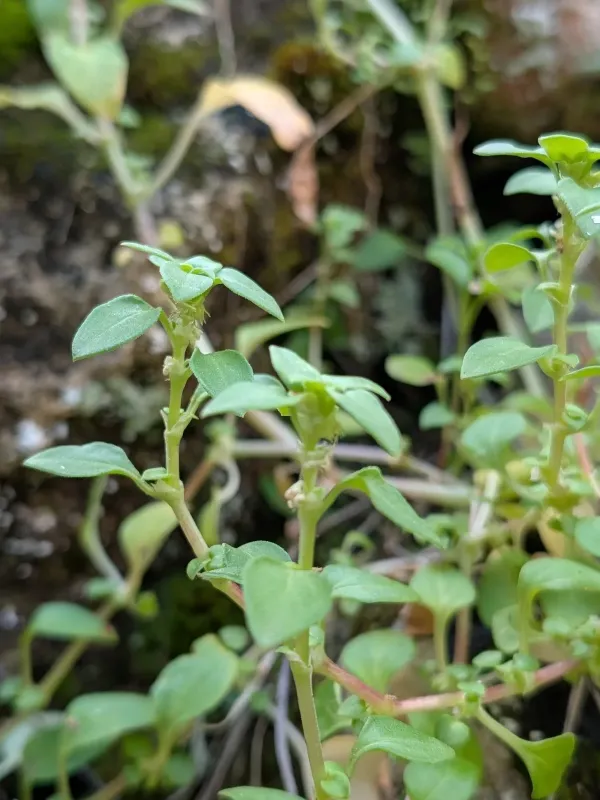
Description
Sowing dates
Theligonum cynocrambe is a Mediterranean annual herb belonging to the Rubiaceae family. Seed germination occurs naturally during the cool, wet autumn or early spring, requiring moist and well-draining soil to break dormancy.
For cultivation, seeds should be sown at a depth of approximately 1–2 cm. The ideal environment for sowing is a location with sufficient sunlight and protection from heavy wind, ensuring a consistent temperature range for uniform emergence.
The spacing between plants should be carefully managed to allow for adequate ventilation. Crowding the plants can lead to higher humidity around the base, which significantly increases the risk of fungal infections.
Seedlings emerge relatively quickly under stable climate conditions. As the plant develops its rosette, early weed management is crucial because Theligonum cynocrambe possesses a weak competitive ability against vigorous weeds.
Spring sowing is typically preferred in temperate regions to align the plant's growth cycle with the natural Mediterranean rainfall pattern. This ensures the plant completes its life cycle before the onset of extreme summer heat.
Growing requirements
This species thrives in well-draining, calcareous, or stony soils. It is well-adapted to alkaline soil conditions and performs poorly in acidic or waterlogged environments where root development is restricted.
Regarding climate, Theligonum cynocrambe is remarkably hardy, having evolved in regions with mild winters and hot, dry summers. It prefers temperate conditions with moderate moisture levels throughout the vegetative growth phase.
While drought-tolerant, supplemental irrigation during the flowering period can significantly improve plant vitality. However, over-irrigation should be strictly avoided to prevent the onset of root-related pathogens.
Nutrient requirements are modest. Over-fertilization, especially with nitrogen, should be avoided as it encourages excessive foliage growth at the expense of reproductive stability and overall plant health.
Maintaining soil structure through light tilling or aeration is beneficial. This allows for better oxygen exchange in the root zone, which is essential for the healthy development of this specific herbaceous plant.
Main diseases and pests
Fungal diseases, including powdery mildew and various leaf spot pathogens, represent the most significant threat to plant health, particularly in stagnant, high-humidity conditions.
Common agricultural pests such as aphids and spider mites may infest the plant during the vegetative stage. These insects target young, succulent tissues, causing visible damage and reducing the plant's photosynthetic capacity.
Root rot, driven by persistent waterlogging, is a critical threat. The combination of cold temperatures and excessive soil moisture creates an ideal environment for soil-borne pathogens to thrive.
Gastropods, particularly slugs, are known to feed on young seedlings. Implementing physical barriers or organic deterrents is recommended during the early growth stages to ensure the survival of the crop.
Consistent monitoring and the implementation of good cultural practices, such as proper spacing and removal of debris, are the most effective strategies for preventing widespread damage to the population.