
Sabicea calycina
Sabicea calycina
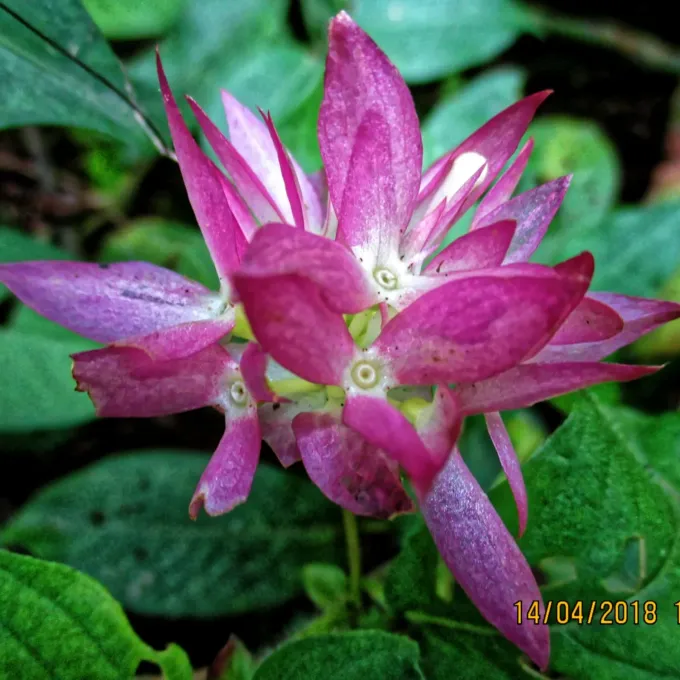
Description
Growing requirements
Sabicea calycina is a distinct perennial plant species belonging to the Rubiaceae family. Primarily native to the tropical forests of Africa, this plant is well-adapted to the understory environment, reflecting its need for specific ecological conditions to thrive.
The plant requires a warm, humid tropical climate with consistent temperatures throughout the year. It does not tolerate frost or cold drafts, which makes controlled environment cultivation essential for those looking to study or maintain this crop outside of its natural distribution range.
Soil requirements focus on high organic matter content, acidity levels suited for forest-floor plants, and excellent drainage capacity. Proper moisture management is critical, as the substrate should remain consistently moist without becoming waterlogged, which could lead to root health issues.
Cultivation practices involve replicating the dappled shade typical of tropical forests, as intense direct sunlight can be detrimental to the foliage. Propagation is typically achieved through vegetative cuttings or seeds, requiring high humidity levels during the initial stages of establishment.
The economic value of Sabicea calycina is primarily tied to its ethnobotanical applications. Various parts of the plant are traditionally utilized for medicinal purposes, often serving as herbal remedies for inflammatory conditions, making it an interesting subject for pharmacological research.