
Oldenlandia bojeri
Oldenlandia bojeri
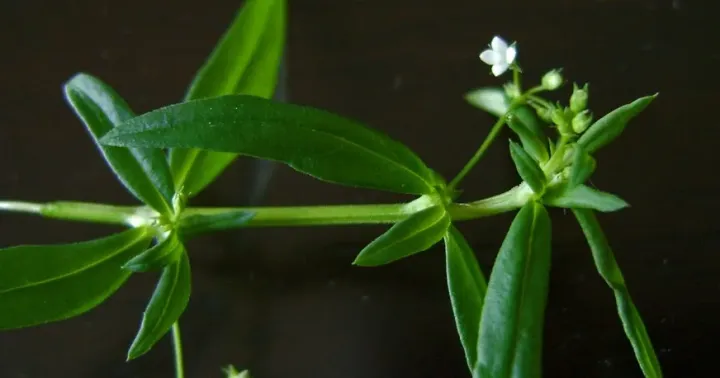
Description
Sowing dates
Oldenlandia bojeri is an attractive annual plant belonging to the Rubiaceae family, valued for its delicate ornamental appearance. For cultivation, seeds should be sown in early spring, ideally in a light, sterile seed-starting mix to ensure successful germination.
The seeds are relatively small and require light to germinate; therefore, they should be surface-sown and only lightly pressed into the soil. Maintaining a consistent temperature between 20 and 22 degrees Celsius is essential for high seedling emergence rates.
Once seedlings have developed two sets of true leaves, they should be pricked out into individual pots. This transition helps establish a stronger root system before the young plants are hardened off for outdoor planting.
Transplanting to the final garden location occurs once the danger of frost has passed. Oldenlandia bojeri thrives when given sufficient space, so planting density should be carefully managed to prevent overcrowding and stress.
Proper hardening off over a week is recommended to adapt the plants to outdoor conditions. Gradually exposing them to natural sunlight and fluctuating temperatures ensures the plants are robust enough to withstand the outdoor environment.
Growing requirements
This species performs best in full sun or light partial shade. While it appreciates warmth, protecting the plant from the intense, scorching afternoon sun is advisable to maintain the vibrancy of the foliage and flowers.
Well-draining, fertile soil is a requirement for optimal growth. Oldenlandia bojeri does not tolerate waterlogged conditions, so incorporating sand or perlite into the soil mix is a standard practice to improve aeration and drainage.
Consistent soil moisture is key; the plant should be watered whenever the top inch of soil feels dry to the touch. Avoiding overhead irrigation helps keep the foliage dry, which significantly reduces the risk of fungal infections.
For peak performance, the plant appreciates a balanced, water-soluble fertilizer applied every two weeks during the growing season. This helps sustain continuous blooming and maintains the overall health and vigor of the plant.
Regarding climate, Oldenlandia bojeri prefers moderate humidity and protection from harsh winds. If grown in containers indoors or in greenhouses, maintaining good airflow around the plants is essential to prevent physiological issues.
Main diseases and pests
Powdery mildew is a common concern for Oldenlandia bojeri, especially in humid or poorly ventilated environments. Proper spacing and airflow are the best preventative measures to keep this fungal issue at bay.
Root rot is often the result of excessive watering or poorly drained soil media. It manifests through yellowing leaves and stunted growth, requiring immediate reduction in watering and adjustment of the drainage conditions.
Pests such as aphids and spider mites frequently target the plant's succulent growth. Regular monitoring of the foliage, particularly the undersides of leaves, allows for early detection and targeted intervention before infestations spread.
Whiteflies may also pose a threat in protected cultivation environments. Utilizing biological control agents or neem oil applications can be effective strategies for managing these populations without damaging the plant tissue.
Sanitation practices, such as the removal of dead foliage and debris from the growing area, are fundamental. By keeping the vicinity of the plant clean, you reduce the habitat for many potential pests and pathogens.