
Oldenlandia callitrichoides
Oldenlandia callitrichoides
Description
Growing requirements
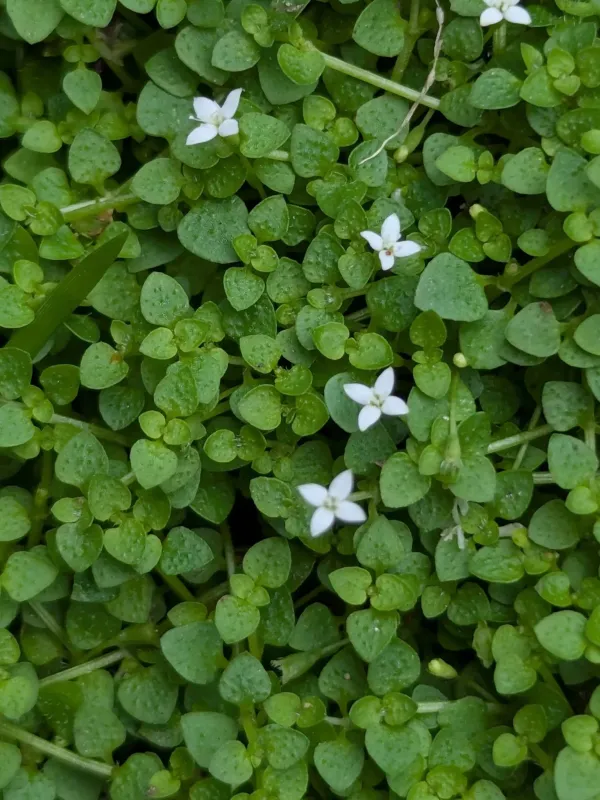
Oldenlandia callitrichoides is a diminutive, creeping perennial belonging to the Rubiaceae family. Originally native to tropical regions, this plant is valued for its ability to form dense, moss-like carpets, making it an excellent candidate for ground cover in controlled environments.
The botanical structure of the plant consists of tiny, opposite leaves and fine stems that possess the unique ability to root at every node. This growth habit allows it to spread rapidly across damp surfaces, creating a lush, green aesthetic that is highly sought after by terrarium and aquascaping enthusiasts.
Regarding climate requirements, this species thrives in warm, humid conditions with consistent moisture levels. It is not cold-hardy, which restricts its outdoor use to tropical climates. Indoors, it should be kept away from direct heat sources and harsh sunlight to prevent leaf scorch and desiccation.
Soil requirements involve a nutrient-rich, well-draining substrate that retains moisture without becoming waterlogged. A mixture consisting of fine peat or specialized soil blends works well. Proper ventilation is essential, even in high-humidity settings, to prevent stagnant air pockets that can harbor pathogens.
In terms of agricultural and horticultural use, Oldenlandia callitrichoides is primarily utilized for decorative purposes. Its small size and vibrant green color make it perfect for landscaping in paludariums, vivariums, and humid greenhouse displays where it serves as a soft foreground element.
Main diseases and pests
Fungal infections are the most significant threat to this plant, often triggered by poor ventilation and overly saturated soil. If the leaves start to yellow or stems turn mushy, it is a sign of root rot, and the watering frequency must be reduced immediately to allow the soil to dry slightly.
Pests such as spider mites, mealybugs, and aphids can occasionally infest the foliage, particularly in warm, dry environments. To mitigate these risks, maintain high ambient humidity and ensure regular air circulation. Using gentle, horticultural soap sprays or neem oil can help manage infestations without harming the delicate leaves.