
Oldenlandia auricularia
Oldenlandia auricularia
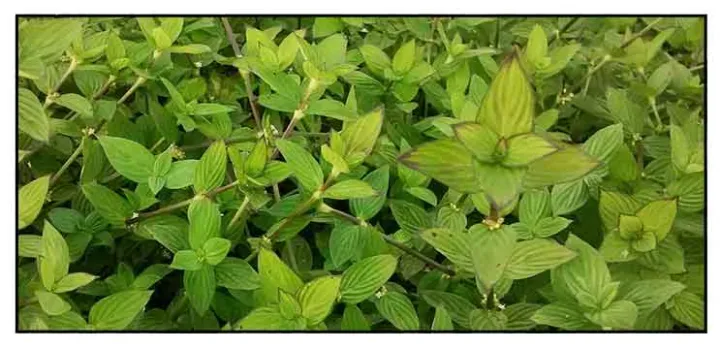
Description
Growing requirements
Oldenlandia auricularia is an herbaceous plant species within the Rubiaceae family. Native to tropical regions, it is primarily found in Southeast Asia, inhabiting wet environments such as riverbanks, marshes, and humid forest floors where moisture is abundant.
The plant thrives in tropical climates, requiring temperatures ranging from 22 to 30 degrees Celsius. It is highly sensitive to cold, and exposure to frost or temperatures below 15 degrees Celsius can cause severe damage to the plant's vegetative structure.
In terms of soil requirements, it prefers fertile, moist, and well-draining loamy soils with a slightly acidic to neutral pH. Maintaining consistent soil moisture is crucial, as the plant does not possess mechanisms to survive extended periods of drought.
Agricultural techniques focus on mimicking natural habitat conditions by providing dappled sunlight. Full sun exposure often leads to leaf scorching, so artificial shading is frequently employed in intensive cultivation systems to ensure optimal plant health.
The economic value of this crop is largely driven by the pharmaceutical and traditional medicine industries. The plant is valued for its bioactive compounds, which are utilized in various herbal formulations to treat inflammatory conditions and fever.
Main diseases and pests
Fungal pathogens represent the most significant threat to Oldenlandia auricularia, particularly under conditions of poor air circulation. Root rot is a common issue that occurs when the substrate remains waterlogged for prolonged periods.
Pests such as aphids and spider mites can cause substantial damage by feeding on sap and reducing the photosynthetic surface area of the leaves. High humidity levels combined with stagnant air provide ideal breeding grounds for these insects.
Effective management involves maintaining proper spacing between rows to facilitate airflow and regular scouting for early signs of infestation. Integrated pest management strategies are preferred to maintain the purity of the medicinal raw material.
The use of synthetic pesticides is discouraged to preserve the medicinal integrity of the plant. Instead, growers should rely on biological controls and organic sanitization practices to manage potential outbreaks effectively.
Sanitary harvesting and the removal of plant debris from the field are also critical steps. These practices prevent the overwintering of pathogens in the soil and reduce the risk of recurring infections in subsequent planting cycles.