
Oldenlandia corymbosa
Oldenlandia corymbosa
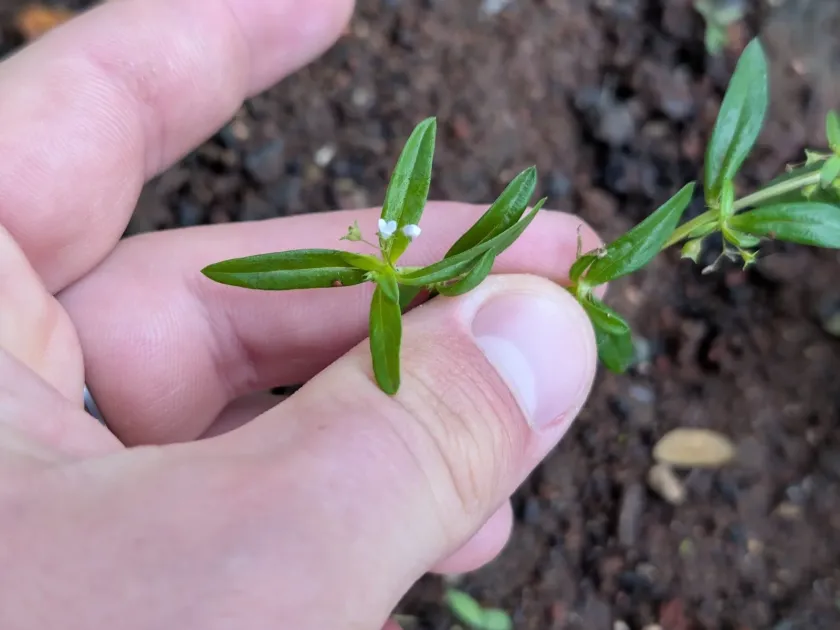
Description
Sowing dates
Oldenlandia corymbosa is a small, annual herb belonging to the Rubiaceae family. Known for its medicinal properties, it is increasingly cultivated in tropical and subtropical regions to meet the demand of the herbal pharmaceutical market.
The seeds are minute and should be sown in a well-prepared seedbed, often mixed with sand to ensure uniform distribution. The soil surface should be fine-tilled to facilitate proper contact for the small seeds.
Sowing depth is critical as the seeds are light-sensitive. They should be broadcast and very lightly covered with a thin layer of soil or fine compost to protect them from wind while allowing light penetration.
Germination typically occurs within 10 to 15 days under favorable temperatures of +25°C to +30°C. Maintaining consistent moisture during this period is essential for successful seedling emergence.
Field sowing is generally organized in rows spaced 25-30 cm apart to facilitate inter-row weeding and maintenance operations, ensuring the crop remains free from competitive weeds during early growth stages.
Growing requirements
This plant thrives in well-drained, sandy loam soils with moderate fertility. While it is adaptable to various soil types, waterlogged conditions must be avoided as they inhibit root development and promote decay.
Oldenlandia corymbosa requires high light intensity for optimal growth and synthesis of its secondary metabolites. Full sun or light partial shade is considered ideal for commercial cultivation.
Temperature plays a crucial role in its development. It prefers a tropical climate with a range between +20°C and +35°C. Exposure to cooler temperatures can significantly retard its growth cycle.
Adequate water management is key; while the crop needs regular watering, the soil must be allowed to drain effectively to prevent fungal outbreaks at the root level.
The plant demonstrates a strong response to organic fertilization. Applying compost before sowing significantly improves soil structure and nutrient availability, leading to higher biomass yield.
Yield
The yield of Oldenlandia corymbosa is measured by the total weight of dried aerial parts. Harvesting at the peak of the flowering stage ensures the highest concentration of bioactive compounds, such as iridoids.
Farmers can achieve multiple harvests within a single year in ideal tropical climates if the plant is cut correctly, allowing for rapid regeneration of side branches from the base.
Effective nutrient management, particularly the use of potassium and phosphorus, contributes to stronger plants and increased yield, directly impacting the profitability of the crop.
Harvested material must be processed promptly to ensure freshness. Yields vary significantly based on environmental conditions and the quality of the planting material used.
Quality control standards often involve monitoring the purity and drying percentage of the harvested herb, which determines its market value and potential for industrial extraction.
Main diseases and pests
Fungal diseases, especially powdery mildew, are the most frequent threats, particularly in high-humidity conditions where airflow is restricted between plants. Regular inspection is recommended.
Common pests include aphids and mites, which can infest the foliage, sucking vital juices and potentially vectoring viral diseases that reduce overall plant vigor.
Root rot caused by poor soil drainage can lead to mass plant mortality. Proper land grading and the use of raised beds in high-rainfall areas are effective mitigation strategies.
Weeds are the primary competitors during the first four weeks of growth. Manual or mechanical weeding is essential until the plant establishes a dense canopy that suppresses further weed germination.
Prevention involves maintaining balanced plant density and avoiding monoculture repetition on the same soil without rotation, which helps manage soil-borne pathogen levels.
Harvesting
Harvesting is typically done manually by cutting the plants at about 5-10 cm above the ground. This method allows the plant to recover and produce fresh shoots for a subsequent harvest.
Post-harvest cleaning includes removing any soil or weeds mixed with the cut biomass. Cleanliness is paramount for the medicinal value of the final pharmaceutical product.
Drying must be performed in a cool, well-ventilated shade. Direct sunlight can cause the degradation of essential chemical components, reducing the quality of the dried herb.
Once dried to the required moisture level, the material should be stored in breathable, dry containers to prevent microbial growth or moisture accumulation during transit.
Efficient logistics from the field to the drying facility are necessary to ensure that the material does not ferment, which could spoil the delicate herbal components.