
Oldenlandia diffusa
Oldenlandia diffusa (Willd.) Roxb.
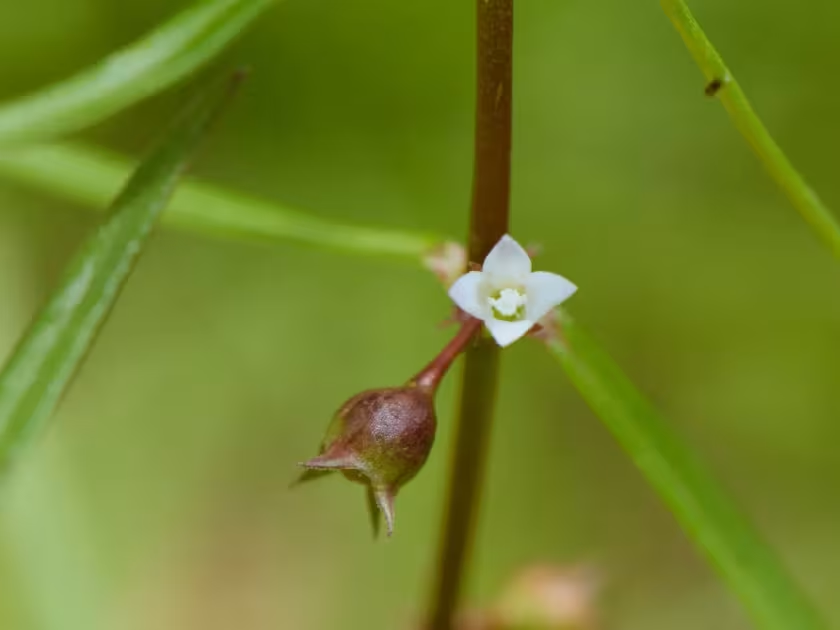
Description
Sowing dates
The sowing process for Oldenlandia diffusa should commence in late spring, once the soil has sufficiently warmed and all risks of frost have passed. Maintaining soil temperature above 15 degrees Celsius is crucial for consistent germination.
Due to the small size of the seeds, they require a shallow sowing depth, barely covered by a thin layer of fine soil or sand. Proper seedbed preparation is essential to create a fine tilth that allows small seeds to establish root contact efficiently.
Weed management is a critical factor during the initial establishment phase. Since the seedlings are slow-growing in the first few weeks, a weed-free environment is necessary to prevent competition for light and nutrients.
Row planting is standard for field cultivation, providing enough space between plants to allow for proper airflow. Ensuring adequate plant density helps the crops canopy over the soil, which helps in moisture retention and natural weed suppression.
Consistent moisture is the key to successful sowing. Irrigation should be managed to keep the top layer of soil moist until the seedlings are strong enough to withstand minor variations in water supply. Drip irrigation is highly recommended for this purpose.
Growing requirements
Oldenlandia diffusa, often identified botanically as Hedyotis diffusa, is an annual herb belonging to the Rubiaceae family. This plant is traditionally known for its presence in wet grasslands and near water sources, highlighting its natural preference for moist habitats.
The plant thrives in subtropical climates that offer warm temperatures and high humidity. It grows most vigorously when average daily temperatures range between 20 and 30 degrees Celsius. Frost is a limiting factor for its cultivation, as the plant is highly susceptible to cold damage.
Optimal growth requires well-drained, fertile soil rich in organic matter. While the plant loves water, it is intolerant of waterlogged conditions, which can lead to rapid root rot. A loamy soil structure that provides both moisture retention and oxygen flow is ideal.
Sunlight requirements are significant for Oldenlandia diffusa, as it performs best in full sun. However, in regions with intense solar radiation, partial shade can help maintain moisture in the soil and protect the delicate foliage from heat stress.
The economic value of this crop is rooted in its role as a medicinal plant. It contains a complex profile of bioactive compounds, including iridoids and flavonoids, making it a sought-after raw material for the production of herbal supplements and traditional medicinal formulations.
Main diseases and pests
Fungal diseases represent the most significant threat to Oldenlandia diffusa, particularly when humidity levels are high. Root rot and damping-off are common issues that occur if soil drainage is inadequate or if irrigation is excessive.
Foliar diseases, such as leaf spots, can reduce the quality of the harvested biomass. To minimize these risks, farmers should focus on site selection, ensuring that the field has excellent drainage and is situated in an area with good natural airflow.
Common agricultural pests like aphids and spider mites can infest the plants, causing structural damage and hindering growth. These pests often appear in warmer months and can be managed through biological control agents.
Crop rotation is a fundamental management practice to prevent the build-up of soil-borne pathogens in the field. Rotating with non-host crops helps break the lifecycle of persistent diseases that affect the Rubiaceae family.
Integrated Pest Management (IPM) is the preferred approach for this crop. By prioritizing cultural and biological controls over chemical ones, farmers ensure the final product meets the stringent safety requirements of the pharmaceutical and nutraceutical industries.
Harvesting
Harvesting Oldenlandia diffusa occurs at the peak of the flowering stage. This is the period when the plant contains the highest concentration of therapeutically active metabolites, ensuring maximum yield quality.
Plants are typically cut a few centimeters above the ground level using manual or mechanical harvesting equipment. Care must be taken during the process to avoid including root matter or soil contaminants, which could compromise the final quality of the herb.
Immediate post-harvest handling is mandatory. The biomass is prone to fermentation if left in piles, so it must be transported to the drying facility quickly to preserve its chemical profile and color.
Drying is performed in controlled environments using convective dryers with active air circulation. Temperatures must be monitored carefully and kept below 45 degrees Celsius to prevent the thermal degradation of delicate medicinal compounds.
Once dried to a moisture content suitable for storage, the herb should be packed in breathable, moisture-proof materials. Storing the product in a cool, dark, and dry warehouse ensures its stability and prevents the development of mold.