
Mitracarpus frigidus
Mitracarpus frigidus
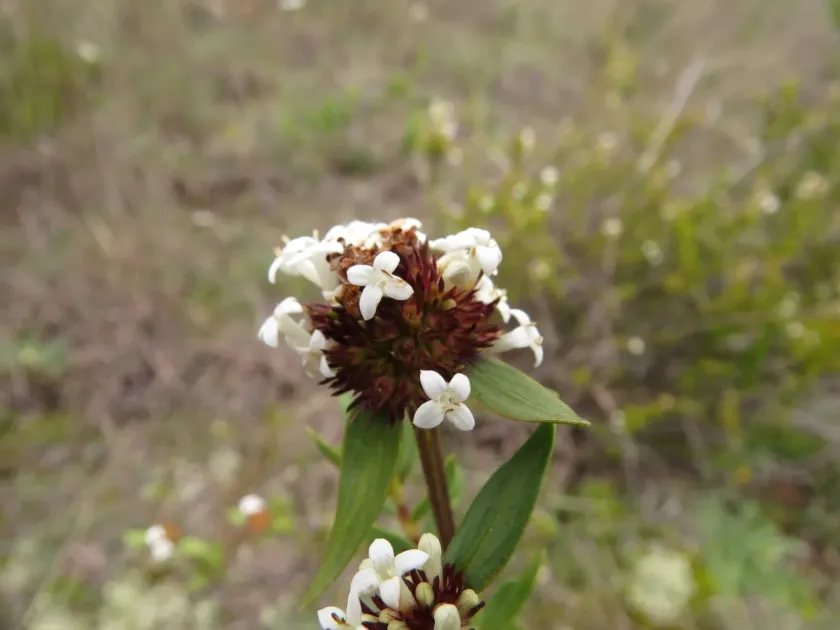
Description
Growing requirements
Mitracarpus frigidus is a hardy herbaceous perennial plant belonging to the Rubiaceae family. Native to tropical regions, this species is known for its resilience and ability to thrive in a variety of environments, ranging from open fields to rocky, nutrient-poor landscapes.
Botanically, the plant features robust stems and lanceolate leaves, often characterized by clusters of small, white flowers. Its root system is deep and efficient, allowing the plant to sustain itself during dry seasons, which is a significant advantage for field cultivation in climate-challenged areas.
For optimal growth, Mitracarpus frigidus requires well-drained, sandy-loam soils with a slightly acidic to neutral pH. Proper soil preparation, including deep tilling and organic matter incorporation, creates the foundation for a healthy plant stand that can resist environmental stressors.
Climate requirements include consistent warmth throughout the growing cycle, as the plant is susceptible to frost damage. While it displays some drought tolerance, supplemental irrigation during the initial development phase ensures uniform growth and a higher density of the desired medicinal foliage.
Crop management practices must emphasize weed control during the establishment phase, as the young plants are sensitive to competition. Implementing a regular fertilization schedule with balanced NPK levels, based on soil testing, will support vigorous leaf production throughout the season.
Main diseases and pests
The primary threats to Mitracarpus frigidus are fungal pathogens, specifically those that thrive in high-humidity conditions. Root rot and damping-off can be devastating if drainage is insufficient, necessitating a proactive approach to water management in the field.
Insect pests, such as aphids and spider mites, are common in dense planting conditions. These pests thrive by sucking fluids from the leaves, which can reduce overall biomass and potentially introduce viral infections that affect plant vigor.
Foliar diseases, including powdery mildew, can spread rapidly during overcast and humid weather. Cultural practices, such as maintaining appropriate plant spacing to improve air circulation, remain the most effective strategy for mitigating these risks without the excessive use of pesticides.
Nematode infestations can pose a challenge, particularly in light, sandy soils. Crop rotation cycles incorporating antagonistic plants can help manage nematode populations, ensuring the long-term health of the field for future cultivation cycles.
Regular field scouting is essential to identify early signs of stress, whether biotic or abiotic. Prompt intervention, including the removal of infected plant material, ensures that small problems do not escalate into large-scale infestations that threaten the entire crop.
Harvesting
Harvesting should ideally take place during the peak flowering stage when the concentration of key bioactive compounds in the plant tissue is at its highest. This timing is critical for ensuring the economic value and medicinal efficacy of the harvested biomass.
The biomass is harvested by mechanical mowing, leaving sufficient stem length for plant regrowth. It is crucial to perform the harvest during dry weather to minimize moisture content and reduce the potential for spoilage during the initial post-harvest stages.
After harvesting, the material should be processed in controlled drying facilities. Maintaining temperatures between 40-45°C preserves the integrity of the active ingredients, which can be easily degraded by overheating or excessive direct UV light exposure.
Once dried to the specified moisture content, the crop must be stored in cool, dark, and well-ventilated environments. Using moisture-proof storage containers helps maintain quality over time, preventing degradation from pests or environmental humidity.
Quality control at the post-harvest stage is essential for commercial market access. Sorting and grading the dried leaves ensure that the final output meets the strict purity and potency standards required by industries utilizing this plant for further processing.