
Fleroya stipulosa
Fleroya stipulosa
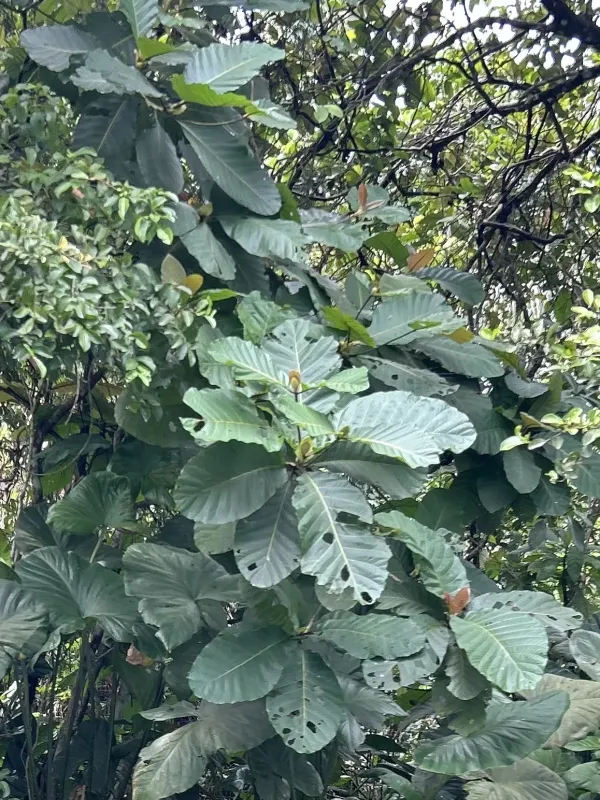
Description
Sowing dates
Propagation of Fleroya stipulosa is primarily conducted via seed germination in controlled nursery environments. Seeds require careful moisture management and should be sown during the early rainy season to ensure optimal survival rates for the emerging seedlings.
In forest nurseries, seeds are placed in containers with rich, porous substrate to facilitate rapid development of the root system. Proper shade management is crucial during the early stages to prevent seedling desiccation under the intense tropical sun.
Transplanting to the field is generally performed when the plants reach a height of approximately 40–60 cm. Spacing must be carefully planned to minimize competition between trees while maximizing growth efficiency for either timber or bark production.
Organic soil enrichment through composting is highly recommended during the planting phase to support the tree’s nutritional needs. Maintaining the natural soil microbiome is essential for the tree's long-term health and growth vigor in tropical conditions.
Monitoring the growth progress after planting is vital to identify any stunted individuals that might require supplemental care. Systematic plantation management ensures that each tree reaches its full genetic potential within the plantation cycle.
Growing requirements
Fleroya stipulosa, a member of the Rubiaceae family, is native to the lush, humid tropical forests of Africa. It thrives in regions with consistent high humidity and significant annual precipitation, which is essential for its vegetative growth.
The species prefers deep, fertile alluvial soils that provide both high nutrient availability and excellent drainage. Soil compaction must be avoided, as it can lead to poor aeration and subsequent root health issues, which are detrimental to the tree.
The ideal climatic conditions involve year-round temperatures between +20 °C and +30 °C. The tree is sensitive to cold snaps and extreme heat stress, necessitating sheltered sites in areas where such climatic variations might occur occasionally.
Light requirements are flexible: while mature specimens can tolerate full sun, young trees grow optimally in partial shade or within multi-layered agroforestry systems. This flexibility makes it an excellent candidate for integrated farming.
Maintaining a layer of organic mulch around the base of the trees helps retain soil moisture and fosters the beneficial microorganisms necessary for nutrient cycling. This mimics the natural forest floor environment where the species thrives.
Yield
The yield potential of Fleroya stipulosa is measured mainly by the sustainable harvest of its valuable bark. Mature trees, when managed correctly, provide consistent yields that meet the demands of the pharmaceutical and traditional medicine industries.
Wood biomass production is another indicator of productivity for timber-oriented plantations. The growth rate, while dependent on environmental factors, is generally high enough to support commercial cycles of several decades.
Sustainable harvesting strategies ensure that the tree remains productive for many years, avoiding the need for constant clear-cutting. This approach creates a stable, long-term economic model for the landholder and local communities.
Effective processing of the bark after harvest is critical to maintain its therapeutic value. Proper drying protocols must be followed to prevent degradation of active components, thus ensuring the highest quality product for the market.
Economic profitability is bolstered by the increasing demand for high-quality botanical raw materials. By implementing best practices in plantation management, producers can significantly increase their annual yield per hectare.
Main diseases and pests
Fungal pathogens represent a primary threat in high-humidity environments, especially when airflow around the trees is restricted. Proper spacing and thinning of the crown are necessary to maintain healthy circulation and reduce infection risks.
Insect pests, including various wood-boring species, can damage the cambium layer, potentially stunting growth or killing the tree. Integrated pest management, focusing on early detection, is the most effective way to protect plantations.
Over-harvesting remains a significant threat to natural populations, necessitating the implementation of strict harvesting guidelines. Sustainable management is key to preventing ecological degradation and ensuring the longevity of the species.
Competition from fast-growing invasive weeds can significantly hinder the growth of young trees in the first few years. Regular manual weeding and maintenance of the planting site are critical during the establishment phase.
Monoculture practices increase the risk of rapid disease spread; therefore, intercropping with other non-host plant species is encouraged. Diversifying the plantation layout promotes a more resilient ecosystem against local pests and pathogens.
Harvesting
Harvesting timber is typically performed through selective thinning or clear-cutting once trees have reached the desired industrial size. This requires careful planning to ensure the sustainability of the remaining plantation acreage.
Bark harvesting is a specialized process involving the surgical removal of strips from the trunk. The tree must remain alive for future harvests, meaning that workers must be trained to avoid damaging the inner xylem layers during the process.
Immediately after harvest, the raw material should be cleaned and dried in well-ventilated structures. Controlling the drying speed and temperature prevents the formation of mold and ensures the chemical stability of the botanical compounds.
Efficient logistics are essential for transporting the bulk raw materials from remote forest sites to processing hubs. Minimizing the time between harvesting and processing helps retain the freshness and quality of the raw material.
Documentation of harvest practices and adherence to certification standards can significantly increase the market value of the output. Transparent and sustainable practices are increasingly rewarded by the international pharmaceutical sector.