
Dibridsonia conferta
Dibridsonia conferta
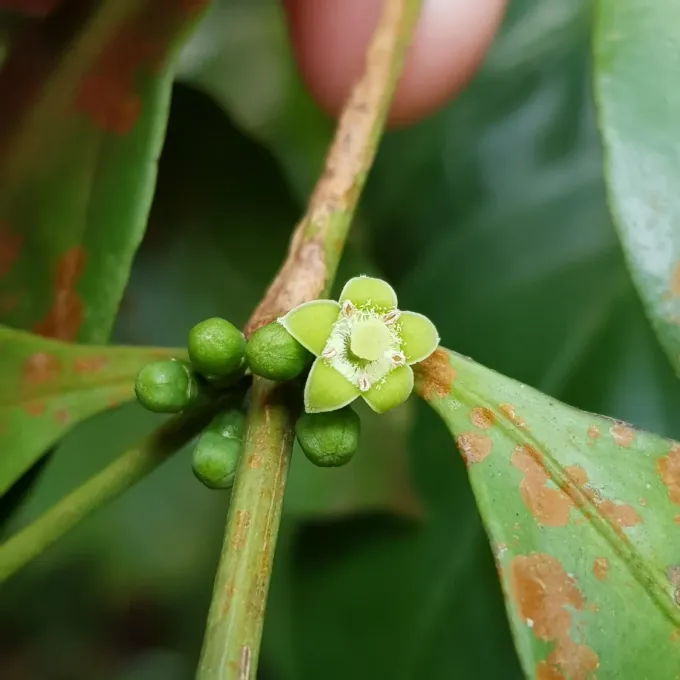
Description
Growing requirements
Dibridsonia conferta is a unique botanical species belonging to the Rubiaceae family. Characterized by its specific growth habits, this plant is primarily found in tropical forest regions, where it adapts to low-light conditions and high atmospheric humidity typical of its native ecosystem.
Agronomic success with this crop requires precise climate control, particularly regarding ambient temperature and humidity levels. As a tropical species, it does not tolerate cold stress, and therefore, greenhouse conditions with regulated climate parameters are essential for sustainable production.
Soil requirements focus on high organic content and excellent aeration. The plant thrives in well-drained substrates that prevent waterlogging, which is critical given the sensitivity of its root system to anaerobic conditions. Proper pH management, aiming for slightly acidic levels, is recommended for optimal nutrient uptake.
Cultural practices should emphasize gentle irrigation techniques and the application of balanced, slow-release fertilizers. Monitoring the vegetative state is necessary, as the plant can show signs of stress if light intensity is too high or if the vapor pressure deficit is not maintained within ideal ranges.
Currently, the economic utilization of Dibridsonia conferta is largely experimental, focused on botanical research and potential pharmaceutical or ornamental applications. Further agronomic trials are needed to standardize production protocols for wider agricultural use or commercial cultivation.