
Coffea eugenioides
Coffea eugenioides
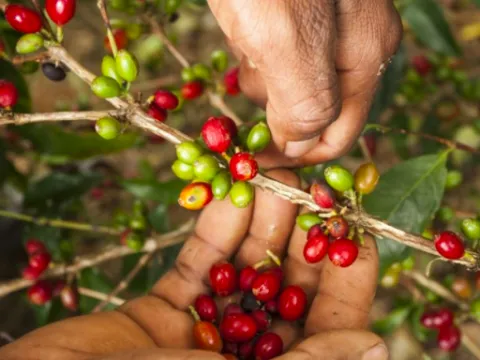
Coffea eugenioides is a member of the Rubiaceae family and is recognized for being one of the two parents of Coffea arabica. This evergreen shrub is native to the high-altitude regions of East Africa, thriving naturally in the understory of dense tropical forests.
What the section contains
Coffea eugenioides
Climate requirements for this species are specific: it prefers stable, moderate temperatures between 18 and 24 degrees Celsius. It is highly sensitive to extreme heat and prolonged direct sunlight, which is why shade management is a critical component of successful agricultural practices.
The ideal soil for eugenioides should be nutrient-rich, acidic, and maintain excellent drainage properties. Because the species evolved in mountainous regions with high rainfall, it requires consistent moisture but cannot tolerate waterlogged soils, which lead to root rot.
Agricultural management involves regular pruning to ensure proper airflow through the canopy and to manage crop yield. Since it is a smaller coffee plant compared to commercial cultivars, spacing must be carefully planned to prevent overcrowding and to facilitate maintenance tasks.
In terms of agricultural utility, Coffea eugenioides is gaining recognition in the specialty coffee market. The beans are naturally low in caffeine and possess a unique sweetness and clean acidity, making them a premium crop for experimental coffee producers.
Leaf rust, caused by Hemileia vastatrix, remains the primary pathological threat to Coffea eugenioides plantations. This fungus can devastate yields if not managed through proper canopy hygiene and appropriate fungicide applications.
The coffee berry borer is a persistent pest that can significantly decrease harvest quality by infesting the maturing seeds within the fruit. Integrated pest management, focusing on sanitation and monitoring, is vital for protecting the berries during the maturation phase.
High humidity combined with poor circulation often leads to outbreaks of powdery mildew or other foliage pathogens. Ensuring that the plantation has adequate spacing and proper light penetration is essential to keeping the foliage dry and healthy.
Scale insects and aphids can cause damage to young shoots and leaves. Farmers are encouraged to use early intervention strategies, such as physical removal or biological control agents, to maintain the health of the delicate plants without heavy chemical usage.
Proper sanitation at the end of the harvest cycle is a mandatory practice. Removing dropped berries and infected plant debris from the ground prevents pests and pathogens from surviving until the next growing season, significantly reducing infection pressure.