
Calycophyllum candidissimum
Calycophyllum candidissimum (Vahl) DC.
Description
Growing requirements
Calycophyllum candidissimum, commonly known as lemonwood or degame, is a significant species within the Rubiaceae family, native to tropical regions of the Americas.
The tree thrives in well-drained, fertile soils and requires a tropical climate with a distinct cycle of heat and humidity to reach its full growth potential.
In agroforestry settings, it is valued for its ability to grow in diverse soil conditions, ranging from clay-rich forest floors to more rocky, sloped terrains.
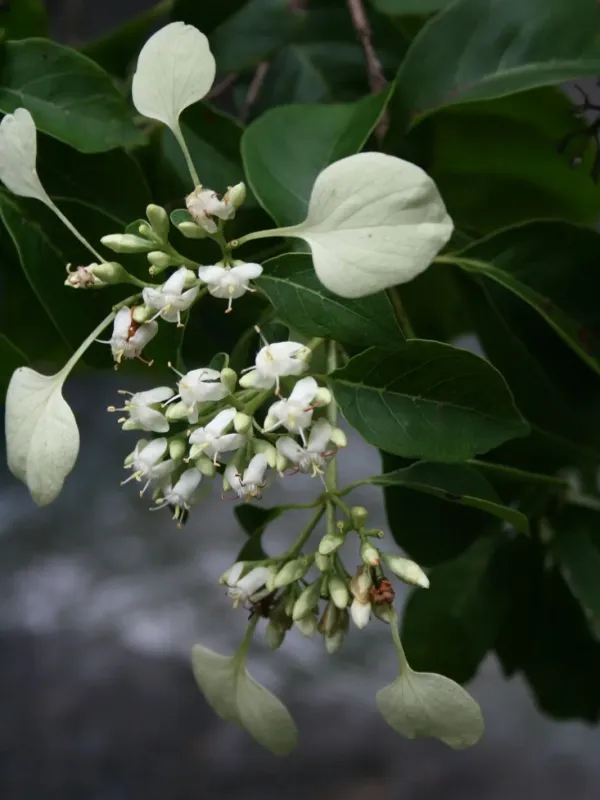
Botanically, it is best recognized for its large, white, leaf-like bracts that develop during the flowering stage, covering the canopy in a striking white display.
Young plants require protection from strong winds and intense drought, making proper site selection and early-stage irrigation management crucial for success.
Yield
The wood of Calycophyllum candidissimum is renowned for its exceptional strength, flexibility, and fine grain, often used in the manufacture of high-quality tools and bows.
In the timber industry, this species is harvested for its durability and resistance to decay, making it a preferred material for construction and furniture making.
The tree also serves an important role in ornamental horticulture, providing a dramatic visual impact in public landscapes and tropical gardens.
Sustainable harvesting practices are essential for this crop, ensuring that the timber yield is balanced with the ecological health of the growing site.
The economic viability of growing lemonwood is supported by the consistent market demand for its dense, versatile wood and its relatively fast growth rate in suitable environments.