
Callipeltis cucullaris
Callipeltis cucullaris
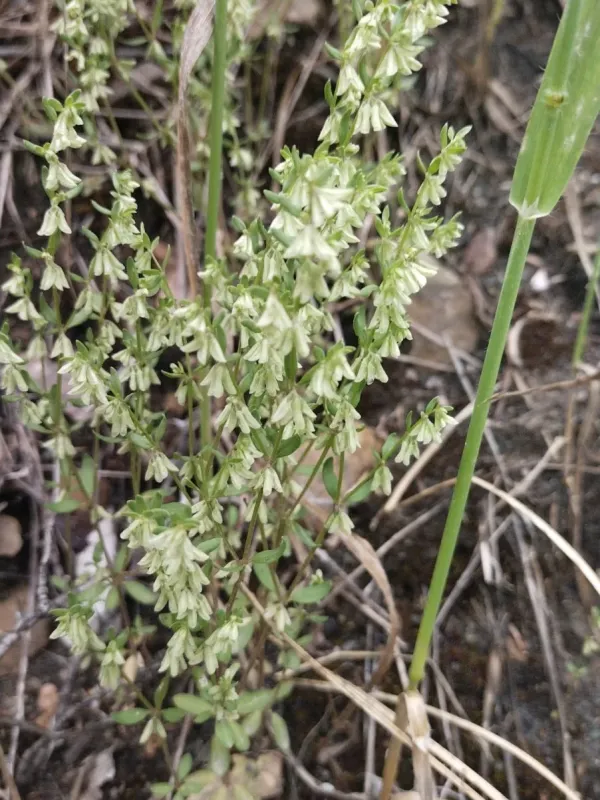
Description
Sowing dates
Callipeltis cucullaris is an annual herbaceous plant belonging to the Rubiaceae family. Its life cycle is primarily adapted to the environmental rhythms of the Mediterranean region, where it completes its growth before the onset of summer heat.
The germination of seeds typically occurs during the autumn or early spring, depending on the climatic conditions and moisture availability in the soil. Early spring emergence is the most common observation in agricultural lands.
As a competitive plant in winter crops, it utilizes early seasonal resources efficiently. Its rapid initial growth allows it to occupy space in fields before the main crops reach their maximum vegetative stage.
Agricultural practices such as tillage significantly influence the timing and density of emergence. Shallow cultivation in the spring can provoke a flush of germination, which can then be managed mechanically or chemically.
The species produces a large number of seeds that exhibit high dormancy and survival rates. This ensures the persistence of the weed in the seed bank of the soil, necessitating long-term management strategies in crop rotations.
Growing requirements
Callipeltis cucullaris thrives in well-drained, sunny environments with neutral to slightly alkaline soil pH. It is commonly found in arable fields, along roadsides, and in disturbed areas where competition from dense vegetation is minimal.
The plant demonstrates notable resilience to varying temperature conditions throughout its growing season. While it prefers moderate moisture, it can withstand short periods of drought by adjusting its physiological activity.
Optimal growth is observed in fields where nutrient levels are adequate, but it is versatile enough to compete in less fertile soils. High planting density of the primary crop is a crucial factor in suppressing the spread of this species.
Management requires a holistic approach, including proper fertilization timing to give the desired crop a head start. Monitoring soil fertility helps in creating a competitive advantage for the cultivated species over the weeds.
Environmental requirements also include adequate light penetration. Shading by the crop canopy is one of the most effective natural inhibitors for the development of Callipeltis cucullaris in commercial agricultural fields.
Main diseases and pests
The primary agricultural threat posed by Callipeltis cucullaris is its competition for soil water and nutrients, which can indirectly reduce the yield of commercial crops. It acts as an aggressive colonizer in disturbed soils.
There are no known primary pests that specifically target and control this weed in a way that would eliminate the need for management. Its presence is generally controlled through standard weed management practices.
While the plant can be susceptible to some common soil fungi in humid conditions, these rarely affect the overall population density. Diseases are currently not considered a viable biological control method for this species.
The physical spread of seeds by agricultural machinery is a major concern. Farmers are encouraged to clean equipment thoroughly between field operations to prevent the introduction of seeds to uncontaminated zones.
Chemical control remains the most frequent intervention, requiring the use of systemic herbicides. The morphological protection of the seeds and the structure of the plant require high-quality application methods for effective control.