
Breonadia salicina
Breonadia salicina
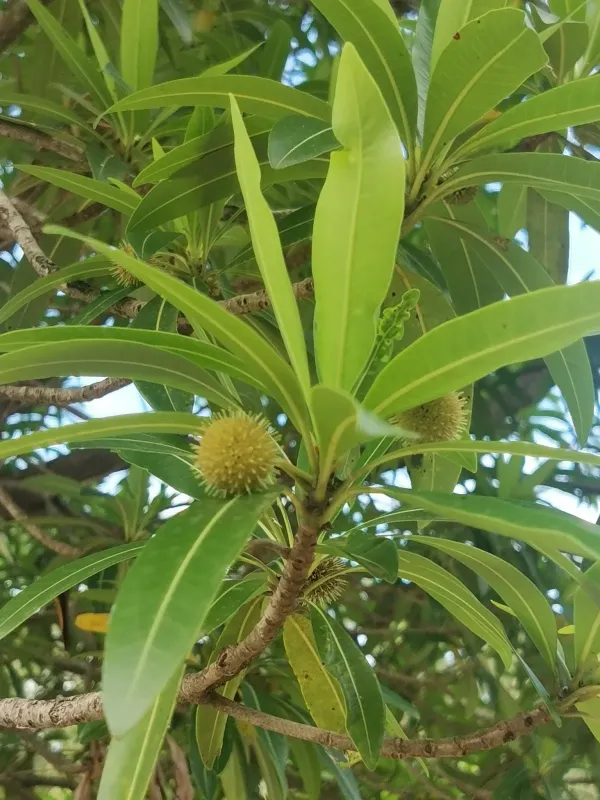
Description
Growing requirements
Breonadia salicina is an impressive evergreen tree belonging to the family Rubiaceae. It is widely recognized for its sturdy trunk and dense, attractive canopy, making it a prominent feature in its native tropical African habitats.
The tree originates from sub-Saharan Africa, where it thrives along riverbanks and in swamp forests. Its natural distribution is closely linked to riparian zones that provide constant moisture and nutrient-rich, alluvial soil.
The climate requirements include a strictly tropical or subtropical environment with consistently warm temperatures. The species is highly susceptible to frost, which limits its successful cultivation to regions without cold extremes.
Optimal growth conditions involve deep, well-draining, and nutrient-dense soil. While it is naturally adapted to survive waterlogged conditions for short periods, consistent water management is crucial during the early stages of establishment in plantations.
Agricultural management requires careful light exposure and sufficient space for the tree to develop its deep root system. Proper spacing in forest stands is essential to minimize competition and ensure the development of straight, high-quality logs.
Harvesting
The primary agricultural output from Breonadia salicina is its high-quality timber, commercially referred to as matumi. This wood is renowned for its exceptional durability, density, and resistance to decay, even when used in submerged conditions.
Key applications of the timber include luxury furniture making, high-end flooring, and specialized construction projects. Its unique grain and hardness make it a preferred choice for woodworking projects requiring long-term structural integrity.
Harvesting strategies involve selective logging to maintain the ecological balance of the forest stand. Given the slow growth rate of the species, long-term rotation cycles are implemented to ensure sustainable wood supply.
Traditional uses of the plant also include the medical application of its leaves and bark by local communities. These practices emphasize the multi-faceted importance of the species within the ecosystem and local economies.
Modern forestry management integrates these harvesting practices with rigorous reforestation programs. This ensures that the population of Breonadia salicina remains stable while meeting the industrial demand for its premium hardwood.