
Adina
Adina
Adina is a genus of flowering plants belonging to the Rubiaceae family. These plants are primarily characterized as woody shrubs or medium-sized trees that thrive in tropical and subtropical climatic zones across Asia.
What the section contains


Adina
The origin of Adina is linked to humid forest ecosystems. This cultivation requires stable warm temperatures and a high humidity index, which mimics their natural habitat. They are not frost-hardy and are typically cultivated in sheltered environments in cooler regions.
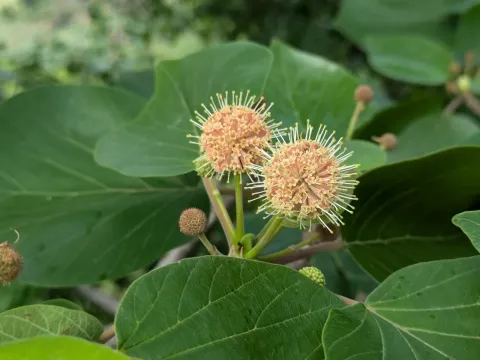
Botanical features of Adina include distinct globose inflorescences, which resemble small balls, and opposite, often leathery leaves. These structural traits make the genus particularly popular for landscaping and ornamental botanical gardens.
Soil requirements for optimal growth involve well-drained, nutrient-rich soil that mimics the forest floor. Providing organic mulch can help retain the necessary moisture levels while preventing soil erosion and temperature fluctuations around the root zone.
The economic use of Adina covers a range of applications, including decorative urban planning and the potential use of its durable timber. Some species are also studied for their phytochemical properties, which find use in pharmacological research and traditional remedies.
The primary threats to Adina include fungal pathogens like Phytophthora, which thrive in waterlogged soil conditions. Proper irrigation management and professional drainage installation are essential to prevent rot in young saplings.
Pest management is focused on controlling scale insects and spider mites, which can cause significant damage to foliage during dry spells. Integrated pest management strategies, involving both manual removal and biological pesticides, are recommended for healthy growth.