
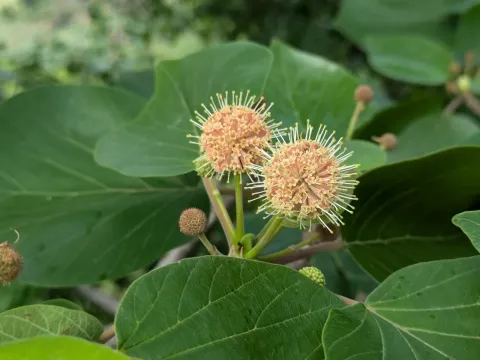
Adinauclea
Adinauclea
Adinauclea is a genus of tropical trees belonging to the Rubiaceae family. Primarily native to the humid tropical forests of Southeast Asia, specifically Indonesia and the Philippines, this plant is well-adapted to high-temperature and high-humidity environments.
What the section contains
Adinauclea
The botanical structure of Adinauclea includes robust, dense wood and typical rubiaceous leaves with stipules. These features allow the tree to thrive in competitive forest environments, effectively managing water usage and nutrient uptake in tropical soils.
The plant requires deep, well-drained, nutrient-rich soils to thrive. It is extremely sensitive to waterlogging, which often leads to root rot, a common issue in artificial cultivation settings where drainage management might be suboptimal.
Economic utilization of Adinauclea is largely centered on its timber. The wood is valued for its durability, making it suitable for high-quality furniture, construction, and specialized woodwork in its native regions.
Beyond its physical properties, the plant is a subject of biochemical research. Scientists explore its bark and foliage for secondary metabolites that may hold potential for future medicinal and pharmaceutical applications.
The health of Adinauclea populations is threatened by various fungal pathogens that proliferate in the high-humidity environment of tropical forests. These pathogens primarily attack the vascular system, compromising the tree's overall stability.
Wood-boring insects present a significant risk to timber quality. These pests tunnel into the stem, creating entry points for secondary infections and structurally weakening the main trunk, which reduces the economic value of the wood.
Deforestation and habitat fragmentation are the most significant threats to the long-term survival of the genus. The loss of canopy cover alters the forest floor microclimate, stressing individual trees and reducing recruitment rates.
Soil degradation due to intensive local agricultural practices often leads to the loss of the mycorrhizal fungi that Adinauclea relies on for nutrient uptake, leading to stunted growth and increased susceptibility to environmental stress.
Integrated pest management in tropical forest silviculture is crucial for the protection of Adinauclea. Focusing on biological controls and maintaining ecosystem diversity helps mitigate the impact of natural threats without disrupting the environment.