
Adina eurhyncha
Adina eurhyncha
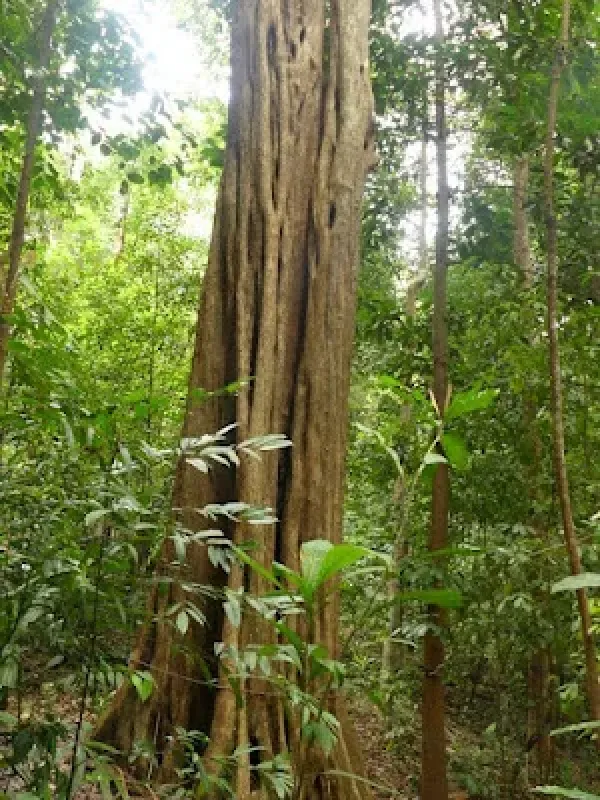
Description
Growing requirements
Adina eurhyncha is a tropical woody plant belonging to the Rubiaceae family. It is naturally found in the lush, humid tropical regions of Southeast Asia where it thrives in specialized forest ecosystems.
The plant requires high humidity and consistent tropical temperatures to reach its full growth potential. It is highly sensitive to cold spells and frost, making it suitable only for specific geographical zones with tropical climates.
Optimal soil conditions include well-drained, nutrient-rich substrates that allow for deep root penetration. Adequate soil moisture is essential, though the plant cannot tolerate waterlogged conditions for extended periods.
Economically, Adina eurhyncha is prized for its high-density timber, which is extensively utilized in local construction, high-quality furniture making, and various artisan woodwork projects.
Beyond its timber value, the plant is subject to research regarding its secondary metabolites, which are recognized for their medicinal potential in traditional and modern botanical studies.
Main diseases and pests
The main threats to Adina eurhyncha plantations include fungal diseases that flourish in high-humidity environments, particularly those affecting the root system and foliage health.
Insect pests, specifically stem-boring beetles, represent a significant risk to forestry operations, as they can cause extensive internal damage to the wood, rendering it unsuitable for high-grade carpentry.
Proactive forest management is required to mitigate these threats, focusing on maintaining tree vigor through appropriate spacing and thinning practices that improve air circulation.
Biological monitoring is recommended to identify early signs of infestation, allowing for targeted intervention before pest populations reach levels that cause irreversible damage.
Sanitation practices, such as removing fallen debris and infected stems, are critical for maintaining the overall health and productivity of the plantation throughout the growing cycle.