
Adina cordifolia
Adina cordifolia
Description
Growing requirements
Adina cordifolia, commonly known as the Haldu tree, is a large deciduous tree belonging to the Rubiaceae family. This species is native to the tropical and subtropical forests of South and Southeast Asia, flourishing primarily in regions with distinct wet and dry seasons across India, Myanmar, and Thailand.
The tree thrives in deep, well-drained, and nutrient-rich soils. It typically grows in moist deciduous forests and is often found along riverbanks where the soil moisture is consistent throughout the year. Proper drainage is essential, as the species does not tolerate stagnant water or waterlogged conditions.
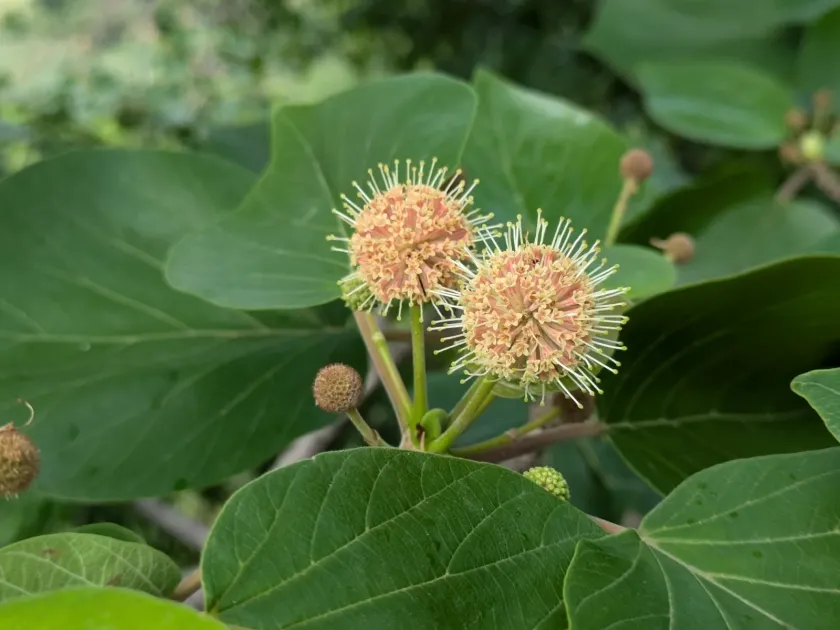
Botanically, it is characterized by its large, cordate (heart-shaped) leaves and distinctive, globe-shaped flower heads that bloom during the early rainy season. Mature trees can reach impressive heights, often exceeding 30 meters, with a clean, straight trunk that is highly prized by the timber industry.
Climatic requirements for successful cultivation include a tropical temperature range, ideally between 20°C and 30°C. While the species is adapted to survive seasonal droughts by shedding its leaves, consistent rainfall or supplemental irrigation is required during the active growth phase to ensure timber quality.
Agricultural management involves careful nursery selection and seed preparation. Young seedlings require significant protection from weed competition and direct harsh sunlight. Pruning and selective thinning are standard practices in commercial forestry to encourage vertical growth and trunk development.
Harvesting
The primary economic use of Adina cordifolia is timber production. Its wood, often referred to as Haldu, is highly regarded for its fine, even texture and pale yellow color. It is easily worked, turns well, and takes a high polish, making it ideal for high-end furniture, cabinetry, and flooring.
Beyond its timber, the tree has significant medicinal value. Various parts of the plant, particularly the bark and roots, contain bioactive compounds that have been utilized in traditional medicine systems to treat various ailments, including inflammatory conditions and skin infections.