
Adina pilulifera
Adina pilulifera
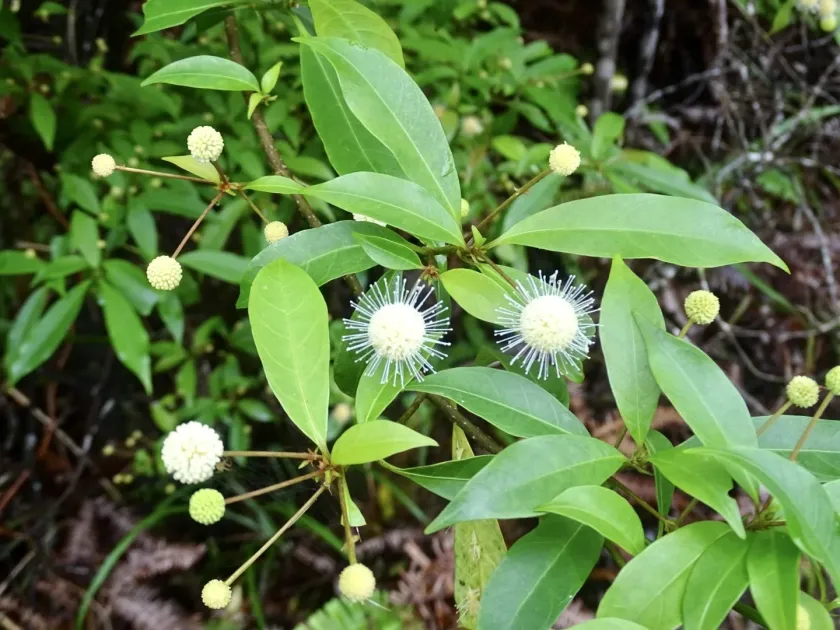
Description
Growing requirements
Adina pilulifera is a deciduous shrub or small tree belonging to the Rubiaceae family. Native to the humid regions of East Asia, including China and Japan, this plant has adapted to survive in areas with consistent moisture levels and fertile, well-draining soils.
The cultivation of Adina pilulifera requires a location that provides protection from harsh winds and intense afternoon sun. While it can adapt to various conditions, the ideal environment is a semi-shaded area with high air humidity and a steady supply of soil moisture throughout the growing season.
Botanically, the species is recognized by its distinctive spherical inflorescences that resemble small balls, providing the common name for the plant. Its leaves are simple and opposite, providing a lush green foliage that remains attractive from late spring until autumn.
Soil requirements include a preference for slightly acidic to neutral substrates that are rich in organic matter. Proper aeration is crucial to prevent the compacting of the root system, which can inhibit the plant's ability to take up nutrients effectively.
Beyond its ornamental appeal, the species holds significance in traditional medicine. Various parts of the plant are utilized in herbal preparations, which has led to increased interest in cultivating the species for specialized biochemical extraction purposes.
Main diseases and pests
Root rot represents the most significant threat to Adina pilulifera, particularly in poorly drained soils or environments with inadequate air circulation. Excess water prevents root respiration, eventually leading to stunted growth and foliage yellowing.
Common pests such as spider mites and scale insects can infest the plant, especially in drier indoor environments or during periods of environmental stress. Regular monitoring of the leaf surface is essential to catch early infestations before they spread.
Fungal diseases like powdery mildew can occur during periods of high humidity combined with stagnant air. To prevent this, spacing plants adequately and ensuring proper light penetration into the interior of the shrub are recommended management practices.
If chemical intervention is required, selective insecticides and fungicides should be applied according to local agricultural regulations. Integrated pest management strategies, focusing on habitat maintenance, are often more effective in the long run.
Sanitation is a vital component of disease control for this species. Prompt removal of fallen leaves or dying twigs helps minimize the survival of overwintering spores and reduces the overall pathogen load in the growing area.