
Adina rubella
Adina rubella
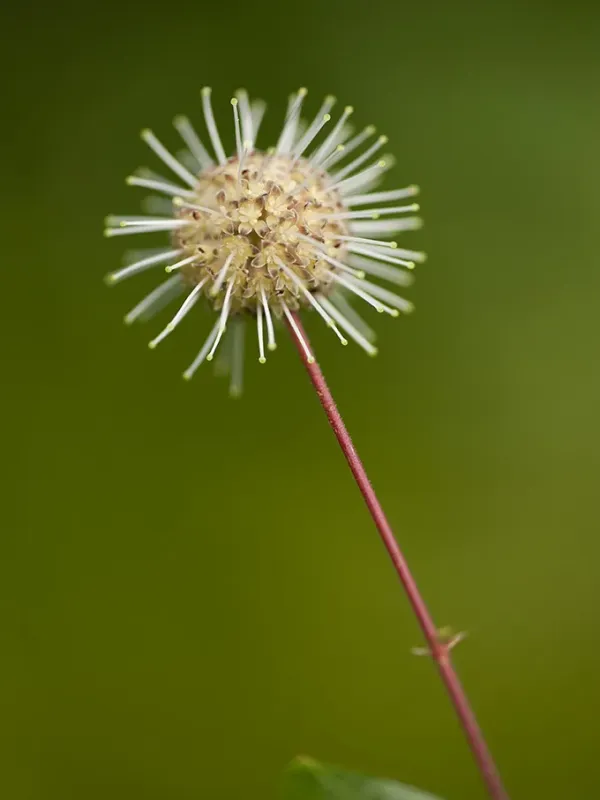
Description
Sowing dates
Propagation of Adina rubella is typically performed through seeds or stem cuttings, ensuring the selection of healthy mother plants for optimal results.
Seeds should be sown in a greenhouse environment with controlled humidity and temperature to ensure high germination rates and seedling vigor.
Stem cuttings are best collected in early summer; they thrive when planted in a well-draining mixture of peat and perlite under high-humidity conditions.
Rooting hormones can be utilized to improve the success rate of cuttings, helping the plant establish a robust root system before seasonal transition.
Once seedlings are established, they require gradual hardening off before being transplanted into their permanent outdoor location to minimize transplant shock.
Growing requirements
Adina rubella is a semi-evergreen shrub belonging to the Rubiaceae family, known for its unique button-like flower heads and lush foliage.
The species prefers sunny to semi-shaded locations with protection from harsh winds, which can cause leaf burn or branch breakage in young plants.
The ideal soil is fertile, moist, and slightly acidic, with excellent drainage to prevent root issues caused by waterlogging in heavy soils.
Regular irrigation is essential, particularly during the growing season, to maintain the moisture levels required for healthy leaf and flower development.
Mulching the base of the plant helps retain soil moisture and protects the root system from drastic temperature fluctuations during colder months.
Main diseases and pests
The primary threats to Adina rubella include fungal diseases such as leaf spots, which are often exacerbated by high humidity and poor air circulation.
Root rot remains a serious risk if the drainage is inadequate, leading to water accumulation and subsequent decline in plant health.
Common pests like aphids and spider mites can infest the foliage, necessitating prompt identification and targeted treatment with horticultural soaps or oils.
Proper spacing between plants is a crucial preventive measure that allows for better airflow, thereby reducing the risk of pathogen accumulation.
Regular monitoring and integrated pest management practices are recommended to maintain the aesthetic and physical health of the ornamental shrub.
Harvesting
Seed harvesting occurs in late autumn when the flower heads turn brown, indicating that the seeds have reached full maturity and are ready for collection.
After collection, the capsules should be air-dried and stored in cool, dry conditions to maintain their viability until the following planting season.
Pruning is performed not for commercial harvest, but to shape the shrub and remove dead wood, which promotes dense growth and healthier blooming cycles.
Tools for maintenance should be sanitized frequently to prevent the transmission of pathogens between plants during routine pruning and grooming.
Overall, the maintenance of this culture is focused on preserving its long-term health and enhancing its natural architectural form in the landscape.