
Sageretia filiformis
Sageretia filiformis
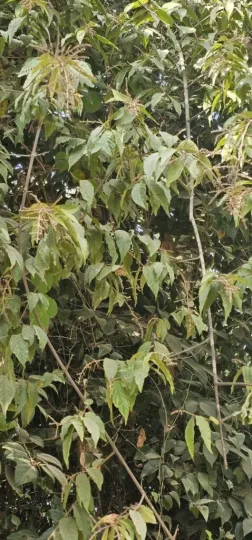
Description
Growing requirements
Sageretia filiformis is a perennial shrub belonging to the Rhamnaceae family. Native to the mountainous regions of East Asia, this species has adapted to diverse climatic niches within its natural habitat, thriving in areas with moderate rainfall and well-drained soils.
The plant requires a growing medium that is rich in organic matter and maintains a slightly acidic to neutral pH level. Proper drainage is a critical factor, as stagnant water is detrimental to the fine, fibrous root system that characterizes this species.
In terms of light exposure, Sageretia filiformis performs best in bright, indirect light. While it can tolerate some direct morning sun, it should be protected from the intense midday heat, which can scorch the delicate foliage and reduce overall plant vigor.
Regarding climate, the plant is not considered fully cold-hardy in severe winter conditions. Growers in temperate zones should provide protective measures or move the plant indoors during the winter to avoid damage from frost and cold winds.
Agricultural and horticultural practices focus on frequent pruning to maintain its form, as the plant is highly appreciated for its dense growth habit. Its aesthetic value makes it a popular choice for ornamental hedges in warmer regions and for indoor container cultivation.
Main diseases and pests
The most common pests affecting Sageretia filiformis are spider mites, which thrive in low-humidity environments often found in indoor settings or during hot, dry summer months.
Scale insects can also pose a threat by attaching themselves to the stems and branches, extracting sap and weakening the plant's structural integrity over time.
Fungal issues such as powdery mildew are frequent in environments with poor air circulation or consistently high humidity, necessitating proper spacing and ventilation.
Root rot, driven by overwatering or compacted soil with poor drainage, remains the most significant physiological threat that can lead to rapid plant decline.
Proactive management includes regular monitoring for early signs of infestation and the application of balanced organic fertilizers to bolster the plant's natural resistance to diseases.