
Scutia spicata
Scutia spicata
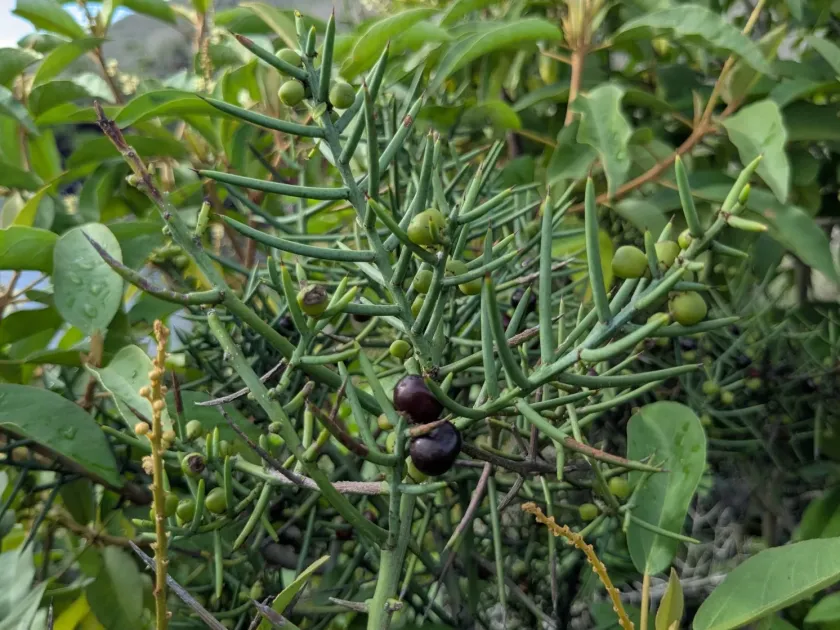
Description
Growing requirements
Scutia spicata is a distinctive woody plant belonging to the Rhamnaceae family. It typically grows as a robust, evergreen shrub or small tree, characterized by thorns that provide structural complexity to its branching pattern and serve as a defense mechanism.
The native distribution of this species spans across regions of Africa and parts of South America. It thrives in diverse environmental conditions, showing a preference for subtropical climates where sunlight is abundant and seasonal rainfall supports continuous growth.
Agricultural cultivation of Scutia spicata requires well-drained soil rich in organic matter. Sandy-loam soils are ideal, as they prevent the risk of waterlogging, which the root system is highly sensitive to during the establishment phase.
Regarding climate requirements, the plant prefers warm temperatures but exhibits some resilience to cooler spells if provided with adequate protection. Proper spacing between plants is essential to ensure adequate airflow and sunlight penetration throughout the canopy.
The economic and practical utility of Scutia spicata includes its use as an effective component for security hedges. Additionally, the plant has been historically utilized in local botanical practices, with extracts from its tissues being studied for potential biological activity.
Main diseases and pests
The primary pathological threats to Scutia spicata involve fungal infections triggered by excessive moisture and poor ventilation. Symptoms typically appear as localized necrosis or leaf spots, necessitating immediate fungicide application to protect the overall plant health.
Insect pests such as aphids and spider mites are frequent challenges during the growing season. These pests colonize young, succulent tissues, causing visible damage that can lead to stunted growth and loss of foliage if left unmanaged.
Effective pest control involves an integrated management approach, combining physical monitoring with the judicious use of pesticides. Maintaining clean cultivation practices and reducing surrounding vegetation helps mitigate the buildup of pest populations.
Nutritional deficiencies often manifest as chlorosis, indicating an imbalance in soil pH or a lack of essential micronutrients. Regular soil testing and balanced fertilization programs are recommended to sustain vigorous growth throughout the life cycle of the shrub.
Environmental stress, such as extreme heat or unexpected frost, can impact the plant's physiological integrity. Protective measures, including mulching and temporary coverings, are advised in regions prone to sudden weather shifts to minimize mortality rates.