
Maesopsis eminii
Maesopsis eminii Engl.
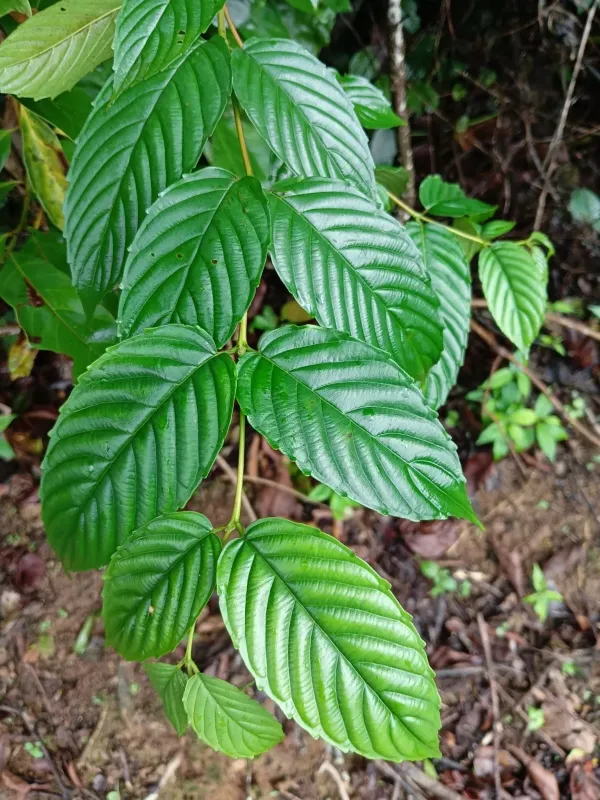
Description
Sowing dates
Propagation of Maesopsis eminii is primarily achieved through seeds, which require pre-sowing treatment such as scarification to break dormancy and ensure uniform germination.
Seeds are typically sown in nursery containers filled with a well-draining substrate to establish a strong root system before outplanting into the field.
The optimal planting time is at the beginning of the rainy season, as consistent soil moisture is crucial for the successful establishment of the seedlings.
Spacing between plants must be carefully managed to prevent overcrowding, which can lead to stunted growth and the development of undesirable branching patterns.
As a pioneer species, Maesopsis eminii exhibits rapid juvenile growth, quickly occupying space and establishing a canopy in forest restoration projects.
Growing requirements
Maesopsis eminii, a member of the Rhamnaceae family, is a large, fast-growing tree native to the tropical forests of Central and West Africa.
The species thrives in warm, humid tropical climates with high annual rainfall, although it shows a degree of tolerance to short dry seasons.
It prefers deep, fertile, and well-drained soils, ideally loamy in texture, as these conditions support the deep root growth required for a tree of this size.
In agroforestry systems, it is often utilized to provide overhead shade for coffee or cocoa crops, benefiting from its rapid height gain and canopy spread.
The tree is strictly a tropical species and is highly intolerant of frost or prolonged cool temperatures, which limit its geographic range for viable plantations.
Yield
The primary economic output is timber, which is highly valued for its moderate density, excellent strength properties, and ease of machining and finishing.
Under optimal plantation conditions, the species can reach harvestable sizes in as little as 20 to 30 years, making it an attractive choice for forestry investments.
Its timber is widely used in furniture manufacturing, plywood production, and general interior construction where a balance of weight and durability is required.
Beyond timber, the tree contributes to environmental health by providing habitat for various avian species, which in turn aids in seed dispersal and ecosystem services.
Regular maintenance, including thinning and pruning of lower branches, is essential to maximize the yield of high-quality, knot-free timber logs.
Main diseases and pests
Fungal infections pose the greatest threat to Maesopsis eminii plantations, particularly in high-humidity areas where air circulation is restricted.
Stem borers and other wood-attacking insects can significantly decrease the commercial value of the timber if infestation levels remain unmonitored.
Competition from aggressive weeds during the first years after establishment can significantly retard growth and increase the susceptibility of trees to secondary pests.
Improper soil drainage can lead to root rot, which is a major cause of mortality in both nursery and mature plantation settings during heavy rainy seasons.
Integrated pest management and periodic silvicultural inspections are recommended to identify and treat early signs of stress or pathogenic colonization.
Harvesting
Timber harvesting is conducted through selective or clear-cut methods, depending on the management objectives and the planned regeneration cycle for the site.
Harvesting is typically scheduled when the trees reach peak diameter, ensuring the logs are suitable for processing into sawn timber or industrial veneers.
Proper post-harvest management, including immediate extraction from the site, helps protect the logs from rapid degradation due to tropical moisture and insect attacks.
Safety protocols must be strictly followed during harvesting operations, given the considerable height and biomass weight of mature specimens.
Sustainable harvesting practices aim to maintain soil structure and promote natural regeneration, ensuring the long-term productivity of the plantation site.