

Reference · Crops
Ranunculaceae
The Buttercup (lat. Ranunculus) is a diverse genus of herbaceous flowering plants within the Ranunculaceae family. In agricultural and horticultural contexts, the cultivated varieties, particularly the Persian buttercup, are highly prized for their vibrant, multi-layered flowers, which make them a staple crop for professional cut-flower production.
689
items
What the section contains
 Pulsatilla campanella
Pulsatilla campanella
Pulsatilla campanella
 Pulsatilla cernua
Pulsatilla cernua
Pulsatilla cernua
 Pulsatilla chinensis
Pulsatilla chinensis
Pulsatilla chinensis
 Pulsatilla dahurica
Pulsatilla dahurica
Pulsatilla dahurica
 Pulsatilla hybrids
Pulsatilla hybrids
Pulsatilla hybrids
 Pulsatilla nipponica
Pulsatilla nipponica
Pulsatilla nipponica
 Pulsatilla tatewakii
Pulsatilla tatewakii
Pulsatilla tatewakii
 Pulsatilla vulgaris
Pulsatilla vulgaris
Pulsatilla vulgaris
 Purple meadow-rue
Thalictrum dasycarpum
Purple meadow-rue
Thalictrum dasycarpum
 Purple monkshood
Aconitum violaceum
Purple monkshood
Aconitum violaceum
 Pygmy buttercup
Ranunculus pygmaeus
Pygmy buttercup
Ranunculus pygmaeus
 Pyrenean Adonis
Adonis pyrenaica
Pyrenean Adonis
Adonis pyrenaica
 Pyrenean buttercup
Ranunculus pyrenaeus
Pyrenean buttercup
Ranunculus pyrenaeus
 Pyrenean Columbine
Aquilegia pyrenaica
Pyrenean Columbine
Aquilegia pyrenaica
 Ranunculus acetosellifolius
Ranunculus acetosellifolius
Ranunculus acetosellifolius
 Ranunculus adoxifolius
Ranunculus adoxifolius
Ranunculus adoxifolius
 Ranunculus aduncus
Ranunculus aduncus
Ranunculus aduncus
 Ranunculus amplexicaulis
Ranunculus aucheri
Ranunculus aucheri
Ranunculus aurasiacus
Ranunculus aurasiacus
Ranunculus bachii
Ranunculus bachii
Ranunculus amplexicaulis
Ranunculus amplexicaulis
Ranunculus aucheri
Ranunculus aucheri
Ranunculus aurasiacus
Ranunculus aurasiacus
Ranunculus bachii
Ranunculus bachii
 Ranunculus brachylobus
Ranunculus brachylobus
Ranunculus brachylobus
 Ranunculus brutius
Ranunculus brutius
Ranunculus brutius
 Ranunculus bullatus
Ranunculus bullatus
Ranunculus bullatus
 Ranunculus bupleuroides
Ranunculus bupleuroides
Ranunculus bupleuroides
 Ranunculus calandrinioides
Ranunculus calandrinioides
Ranunculus calandrinioides
 Ranunculus clethraphilus
Ranunculus clethraphilus
Ranunculus clethraphilus
 Ranunculus crassifolius
Ranunculus crassifolius
Ranunculus crassifolius
 Ranunculus crenatus
Ranunculus dyris
Ranunculus dyris
Ranunculus crenatus
Ranunculus crenatus
Ranunculus dyris
Ranunculus dyris
 Ranunculus fallax
Ranunculus fallax
Ranunculus fallax
 Ranunculus fontanus
Ranunculus fontanus
Ranunculus fontanus
 Ranunculus franchetii
Ranunculus franchetii
Ranunculus franchetii
 Ranunculus gelidus
Ranunculus gelidus
Ranunculus gelidus
 Ranunculus gracilis
Ranunculus gracilis
Ranunculus gracilis
 Ranunculus gregarius
Ranunculus helenae
Ranunculus helenae
Ranunculus gregarius
Ranunculus gregarius
Ranunculus helenae
Ranunculus helenae
 Ranunculus hybrids
Ranunculus incomparabilis
Ranunculus incomparabilis
Ranunculus hybrids
Ranunculus hybrids
Ranunculus incomparabilis
Ranunculus incomparabilis
 Ranunculus isthmicus
Ranunculus isthmicus
Ranunculus isthmicus
 Ranunculus kelchoensis
Ranunculus kotschyi
Ranunculus kotschyi
Ranunculus kelchoensis
Ranunculus kelchoensis
Ranunculus kotschyi
Ranunculus kotschyi
 Ranunculus laetus
Ranunculus laetus
Ranunculus laetus
 Ranunculus lateriflorus
Ranunculus lateriflorus
Ranunculus lateriflorus
 Ranunculus levenensis
Ranunculus macropus
Ranunculus macropus
Ranunculus macrorhynchus
Ranunculus macrorhynchus
Ranunculus levenensis
Ranunculus levenensis
Ranunculus macropus
Ranunculus macropus
Ranunculus macrorhynchus
Ranunculus macrorhynchus
 Ranunculus marginatus
Ranunculus marginatus
Ranunculus marginatus
 Ranunculus marschlinsii
Ranunculus marschlinsii
Ranunculus marschlinsii
 Ranunculus mgounicus
Ranunculus mgounicus
Ranunculus mgounicus
 Ranunculus millefolius
Ranunculus millefolius
Ranunculus millefolius
 Ranunculus multifidus
Ranunculus multifidus
Ranunculus multifidus
 Ranunculus neocuneatus
Ranunculus neocuneatus
Ranunculus neocuneatus
 Ranunculus nigrescens
Ranunculus nigrescens
Ranunculus nigrescens
 Ranunculus obesus
Ranunculus obesus
Ranunculus obesus
 Ranunculus oxyspermus
Ranunculus oxyspermus
Ranunculus oxyspermus
 Ranunculus papulentus
Ranunculus papulentus
Ranunculus papulentus
 Ranunculus pedatus
Ranunculus pinardii
Ranunculus pinardii
Ranunculus pedatus
Ranunculus pedatus
Ranunculus pinardii
Ranunculus pinardii
 Ranunculus platensis
Ranunculus platensis
Ranunculus platensis
Marketplace
Products in this section · 12

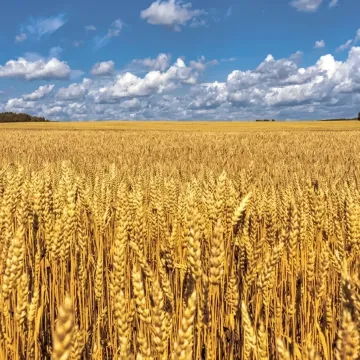


Ranunculaceae
Buttercups are native to temperate and cold regions of the Northern Hemisphere, showing wide adaptability to different environments. Successful cultivation requires a balance of environmental factors, specifically high light intensity during the vegetative stage and cool, stable temperatures to prevent premature bolting and stress in the plants.
Botanically, these plants are defined by their tuberous root systems that store energy for the growing season. The foliage is typically deeply lobed, creating a lush rosette, while the floral structures vary significantly between species. Commercial cultivars are selected for their stem strength, flower longevity, and a wide spectrum of colors ranging from white and yellow to deep red and purple.
Regarding soil and agrotechnology, buttercups thrive in well-draining, fertile, sandy-loam soils with an ideal pH range of 6.0 to 7.0. Irrigation must be managed with precision; because the roots are susceptible to hypoxia and fungal pathogens, moisture levels should be kept consistent without allowing the soil to remain saturated for extended periods.
Integrated pest and disease management is essential to minimize crop loss. Common pathogens include various species of Pythium and Rhizoctonia, which cause root rot, while pests such as aphids and spider mites frequently infest commercial greenhouses.
- Implement crop rotation patterns.
- Use certified disease-free tubers.
- Maintain optimal greenhouse ventilation.
- Apply preventative fungicides as necessary.