
Pulsatilla vulgaris
Pulsatilla vulgaris
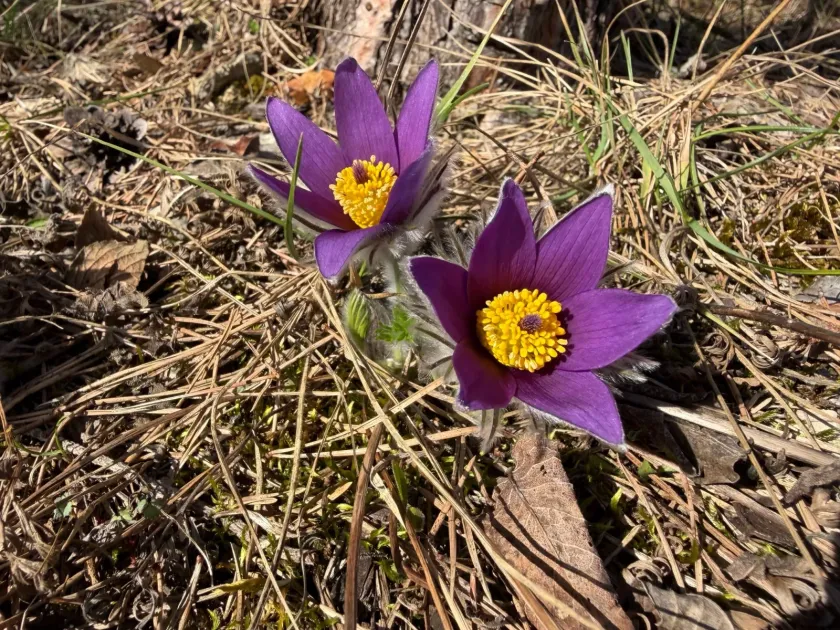
Description
Sowing dates
Sowing Pulsatilla vulgaris requires seeds to undergo cold stratification to improve germination rates. The most effective strategy is sowing seeds outdoors immediately after harvesting in late spring or using late-autumn sowing, allowing natural winter temperatures to break seed dormancy.
For indoor propagation, seeds should be sown in early March in a light, well-draining substrate. Trays must be kept in a cool environment with plenty of light, as the seedlings are sensitive to high humidity and fungal rot if kept in stagnant air.
Seed viability decreases rapidly over time, so using fresh, harvested seeds is crucial for success. Since the seeds require light to germinate, they should only be lightly pressed into the soil surface rather than buried deeply.
Seedlings develop a fragile taproot and are notoriously difficult to transplant. It is best to handle them as little as possible, moving them to their permanent location using a container transfer method to keep the root ball intact.
The first bloom for plants grown from seeds usually occurs in the second or third year. During the establishment phase, maintaining consistent soil moisture without waterlogging is vital for healthy root development.
Growing requirements
Pulsatilla vulgaris belongs to the Ranunculaceae family and thrives in open, sunny locations with excellent drainage. The species is highly cold-hardy and well-adapted to varied temperate climate conditions.
Ideal soil for this crop is sandy or loamy with a neutral to slightly alkaline pH. Poor drainage is the leading cause of plant failure, as the taproot is extremely susceptible to crown rot in waterlogged conditions.
During the active growth season, moderate irrigation is recommended. While the pasqueflower is moderately drought-tolerant, its decorative value is significantly enhanced by preventing extreme moisture stress during the blooming period.
Balanced mineral fertilizers should be applied sparingly during the budding stage to promote vigorous flowering. Excess organic fertilizer can lead to weak, elongated growth and increased vulnerability to pests.
Essential agrotechnical practices include light soil cultivation for aeration and mulching with fine gravel or stone chips. This mimics the plant's natural habitat and prevents the base of the plant from staying too wet.
Main diseases and pests
Fungal pathogens, particularly gray mold, pose the greatest threat to this crop when humidity levels are high. Regular monitoring is essential, and any infected foliage should be removed and destroyed immediately to prevent spread.
Improving air circulation around the plants is a key preventive measure. In damp or prone-to-rot environments, application of appropriate systemic fungicides can help protect the plants during critical growth periods.
Insect pests such as aphids can attack the soft spring growth, draining the plant of vitality. Early intervention with insecticidal soaps or biological control agents is preferred to maintain the health of the specimens.
Soil-dwelling insects, such as white grubs or wireworms, can damage the deep taproot. Pre-planting site treatment or the use of targeted soil insecticides is advisable if the area has a history of pest activity.
Good garden hygiene, including the removal of dead leaves and debris at the end of the season, is crucial for minimizing infection cycles. Maintaining a clean growing environment is fundamental to the longevity of the perennial crop.