
Pyrenean Columbine
Aquilegia pyrenaica
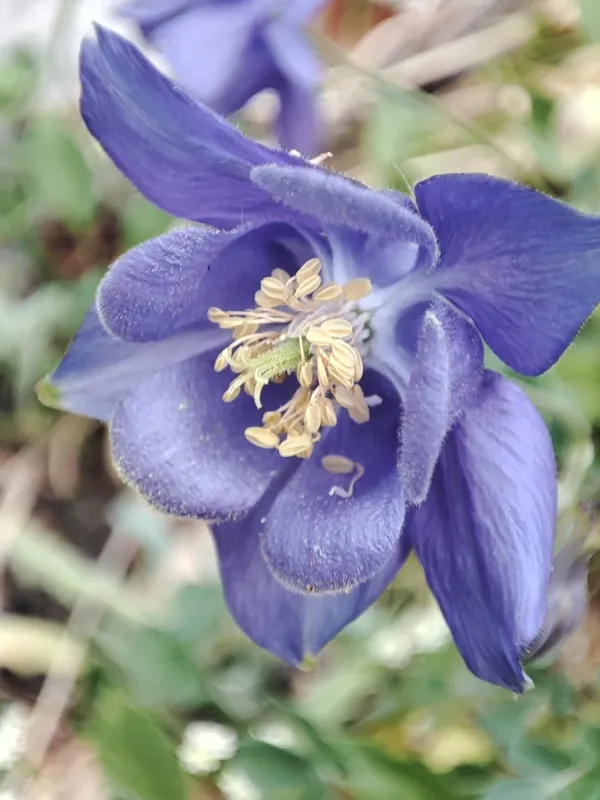
Description
Sowing dates
Sowing Pyrenean Columbine seeds is best performed in late autumn for winter stratification, or in early spring using cold treatment. Stratification is crucial for uniform germination, as seeds remain dormant until exposed to cool, moist conditions.
When sowing indoors, use a well-draining seed-starting mix. Place seeds on the surface and press them gently into the soil, as they require light to germinate. Do not bury them deep, as this will inhibit growth.
The optimal temperature for germination is between 15 to 18 degrees Celsius. Once seedlings develop their first true leaves, they should be transplanted into individual pots to accommodate their growing taproot system.
Hardening off young plants is a necessary step before final field planting. Gradually introduce them to outdoor conditions over a week to prevent transplant shock and ensure successful establishment.
Space the plants approximately 25 centimeters apart when moving them to their permanent location. This distance allows for optimal airflow, which is critical for preventing fungal diseases in dense foliage.
Growing requirements
Belonging to the Ranunculaceae family, the Pyrenean Columbine thrives in alpine environments. It prefers cool, temperate climates and performs exceptionally well in rock gardens or shaded borders where heat is not excessive.
Soil requirements include excellent drainage and high organic content. This plant cannot tolerate "wet feet" and will suffer root rot if planted in heavy, waterlogged clay soils, so soil amendment with grit or sand is recommended.
Light requirements are best met with partial shade or dappled sunlight. While the plant can tolerate some morning sun, protecting it from intense midday heat is vital for maintaining vibrant foliage and long-lasting flowers.
Neutral to slightly acidic pH levels are preferred. Regular soil testing can help maintain these conditions, though the plant is generally adaptable to most nutrient-rich garden soils if moisture is controlled.
Watering should be consistent throughout the flowering season. Adding a layer of mulch around the base of the plant helps retain soil moisture and keeps the roots cool during the heat of the summer months.
Main diseases and pests
Powdery mildew is the most common fungal issue, appearing as a white, dusty layer on the leaves. Improved air circulation and avoiding overhead watering are the best preventative measures for this disease.
Rust can develop in overly humid environments, resulting in orange-brown spots on leaves. Remove and dispose of any affected foliage immediately to prevent the spread of spores to healthy parts of the plant.
Aphids and spider mites are typical pests that feed on plant sap, causing yellowing and leaf curling. Early detection and the use of insecticidal soaps or neem oil are usually sufficient to control infestations.
Slugs and snails can be problematic, especially for younger plants in early spring. Installing physical barriers or using non-toxic bait stations helps protect the delicate new growth from these pests.
Overall plant health is best maintained through consistent monitoring and good sanitation practices. Removing dead debris from the base of the plant during the autumn season reduces habitat for overwintering pests.