
Pulsatilla chinensis
Pulsatilla chinensis
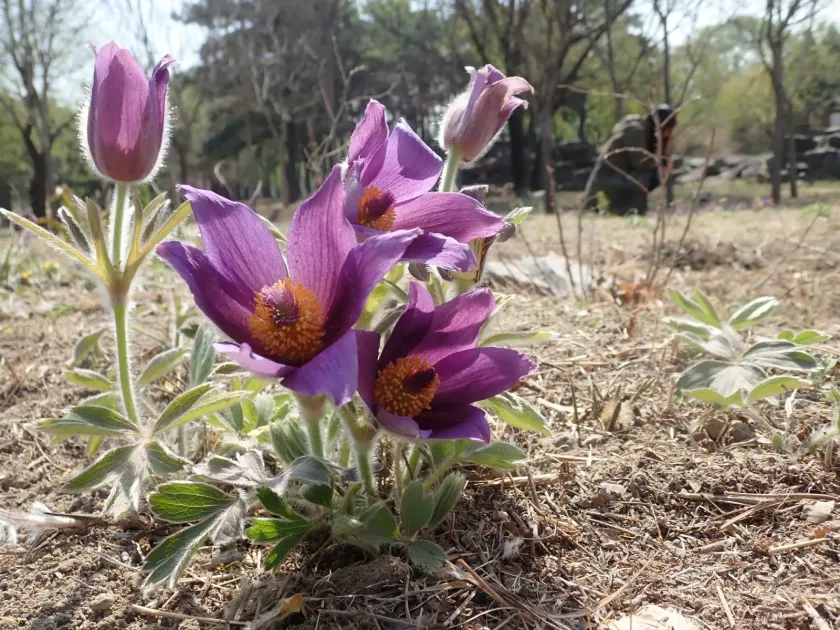
Description
Sowing dates
Pulsatilla chinensis is a perennial herbaceous plant belonging to the Ranunculaceae family. The successful propagation of this crop requires an understanding of its specific dormancy requirements and natural biological cycle.
The seeds of Pulsatilla chinensis exhibit a period of dormancy, necessitating cold stratification before germination. Sowing in late autumn or early winter is the most effective method for consistent seedling emergence.
When sown in spring, seeds should be refrigerated for several weeks to mimic winter conditions, otherwise, the germination percentage will be significantly lower and erratic.
Seedlings should be grown in a well-draining, sterile potting mix to prevent damping-off, a condition to which young Pulsatilla plants are highly susceptible during their early development.
Transplanting seedlings to their final location must be performed with extreme care, as the root system is delicate and prone to damage, which often leads to stunted growth or plant loss.
Growing requirements
The plant thrives in full sun, which is essential for healthy foliage development and the synthesis of bioactive compounds. Partial shade may be tolerated, but it typically reduces biomass yield.
Soil requirements focus on excellent drainage. Sandy or stony soils are ideal, as heavy clay soils lead to root rot. A neutral to slightly alkaline pH is preferred for optimal nutrient uptake.
Pulsatilla chinensis is highly cold-hardy, capable of surviving harsh winter temperatures. However, during the growing season, it requires consistent moisture without saturation.
Weed control is a critical agronomic activity. Because the plant is relatively slow-growing during its first year, it cannot compete effectively with aggressive weeds for water and space.
Regular maintenance involves light hoeing around the base to keep the soil aerated. Mulching should be avoided around the crown, as it may trap moisture and cause rot.
Yield
The primary agricultural interest in Pulsatilla chinensis lies in its medicinal properties, specifically the roots which contain significant levels of saponins and alkaloids used in traditional medicine.
Commercial harvest occurs when the plants are 3–4 years old, allowing the root system to accumulate the required concentration of secondary metabolites.
Harvesting is typically carried out in late autumn when the aerial parts of the plant wither, signaling that the energy reserves have been transferred back to the root system.
Post-harvest processing involves washing the roots to remove debris, followed by careful drying in controlled environments. Temperatures must remain below 50°C to preserve the integrity of the active chemical compounds.
Yield metrics are largely determined by site selection and the plant density per hectare. Proper spacing ensures that each individual plant has sufficient resources to reach full maturity.
Main diseases and pests
Root-feeding pests such as grubs represent the most significant threat to Pulsatilla chinensis, as they can destroy the main taproot, leading to the rapid decline and death of the plant.
Fungal diseases related to moisture excess are prevalent in humid climates. Preventing water stagnation is the most effective strategy against crown rot and other soil-borne pathogens.
- Aphids, which feed on succulent new shoots in early spring.
- Powdery mildew, appearing as white patches on the foliage.
- Leaf spot, caused by high humidity and poor air circulation.
Integrated pest management should include periodic monitoring and the use of bio-fungicides to control fungal populations without contaminating the medicinal harvest.
Effective crop rotation is recommended to prevent the buildup of soil pathogens, ensuring that the field remains productive over multiple seasons.