
Pulsatilla tatewakii
Pulsatilla tatewakii
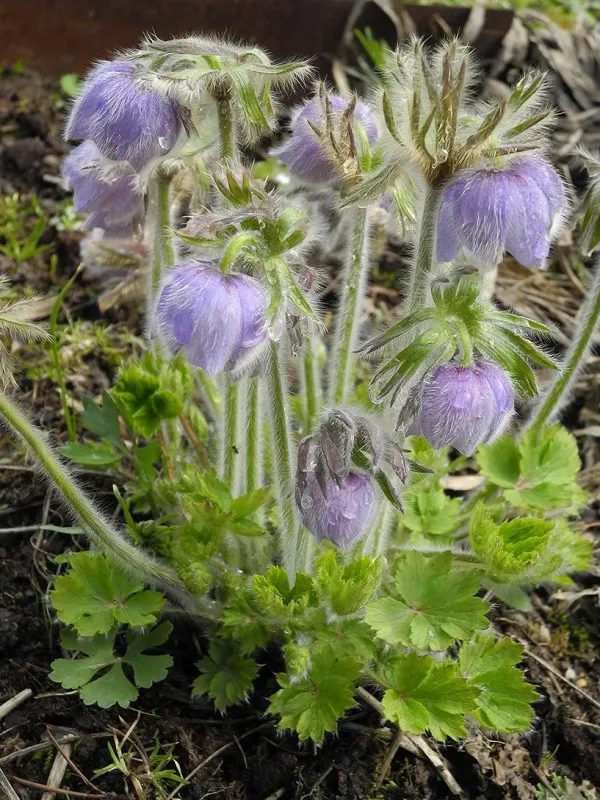
Description
Sowing dates
Propagation of Pulsatilla tatewakii in cultivation is primarily carried out by seeds. It is recommended to sow them immediately after harvesting in summer, as their viability decreases rapidly during storage.
In natural conditions, the plant demonstrates high adaptability to cold winters, making seed stratification a mandatory agricultural technique. Ideally, sow seeds in containers before winter to ensure natural cooling.
The sowing depth should be minimal, as small seeds require light exposure for successful germination. It is advisable to cover the substrate surface with a thin layer of sand to prevent drying out.
Seedlings typically emerge in spring once steady positive temperatures are reached. It is crucial to avoid overwatering at the emergence stage to prevent the development of fungal infections.
Transplanting to a permanent location is best performed at a young age, as mature plants possess a strong taproot and poorly tolerate root system disturbance.
Growing requirements
Pulsatilla tatewakii is an endemic and rare member of the Ranunculaceae family, naturally occurring in specific environments of the Far East. The crop prefers open, well-lit areas with well-drained soil.
The plant has specific requirements regarding soil texture. For successful development, light, sandy, or stony substrates rich in humus are necessary, provided there is no water stagnation in the root zone.
The crop is characterized by exceptional winter hardiness, which is determined by the specific nature of its native habitat. It is capable of withstanding critically low temperatures given sufficient snow cover.
For optimal growth, soil pH should be in the slightly acidic to neutral range. The application of fresh organic fertilizers has a highly negative impact on the development of these plants.
During the active growing season, the plant requires moderate watering. Despite its drought tolerance, prolonged moisture deficiency in early spring may lead to reduced flowering intensity.
Main diseases and pests
The most dangerous pathogens for Pulsatilla include root and crown rot agents. These most frequently develop in waterlogged areas with poor drainage conditions.
Under high atmospheric humidity, plants may be affected by powdery mildew, manifesting as a white coating on the leaves. Prevention includes thinning out plantings and maintaining a correct watering regime.
Among pests, snails and slugs pose the greatest threat to the crop, as they damage young leaf blades and flower stalks early in the season.
Leaf-chewing insects may also cause damage; however, with proper agricultural practices and healthy plant status, mass infestations are observed extremely rarely.
To combat diseases, it is recommended to use systemic fungicides at the first sign of infection, strictly following the dosage instructions provided by the manufacturer.