
Pellaea sagittata
Pellaea sagittata
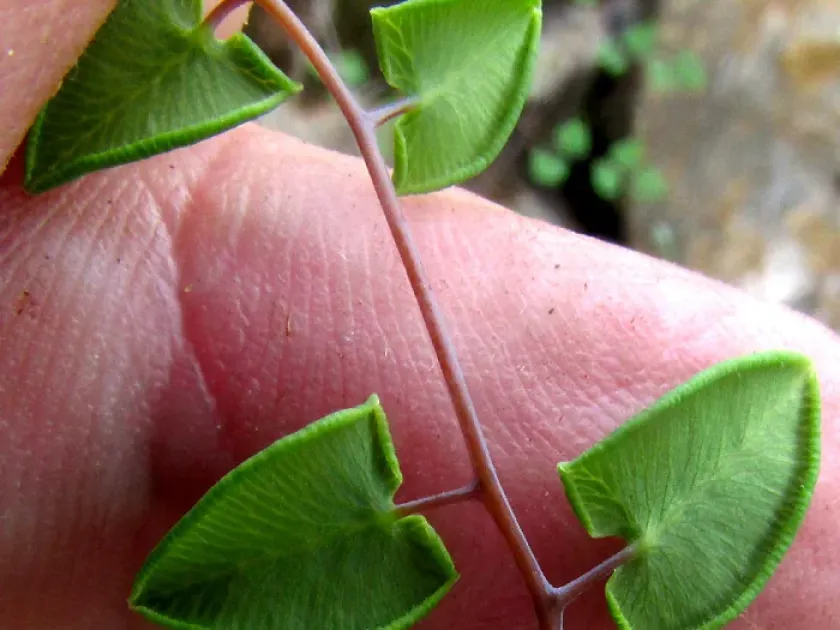
Description
Growing requirements
Pellaea sagittata is a perennial fern species belonging to the Pteridaceae family. It is commercially significant in the ornamental plant sector, characterized by its distinct arrow-shaped foliage and robust growth habit compared to other fern varieties.
Originating from the mountainous regions of Mexico and Central America, the species thrives in habitats characterized by moderate temperatures and filtered light. Successful cultivation requires mimicking these native conditions within controlled greenhouse environments.
Temperature management is critical for optimal physiological processes. The plant maintains its highest rate of development at temperatures ranging between 18 and 22 degrees Celsius, avoiding exposure to both extreme heat and cold drafts.
Soil requirements dictate the use of highly porous substrates. A mix consisting of peat, organic matter, and inorganic additives like perlite or sand is recommended to ensure drainage, as the species is highly susceptible to root zone hypoxia caused by waterlogging.
The primary economic use is in the horticultural industry as a decorative potted plant. Due to its unique morphology and relative resilience to indoor climates, it serves as a staple item for interior landscaping and specialized plant retail.
Main diseases and pests
Major pests affecting this crop include spider mites and scale insects. Integrated pest management (IPM) protocols involving biological controls or targeted application of miticides are recommended for high-density production facilities.
Common phytopathological threats are primarily related to soil-borne pathogens. Root rot caused by Pythium or Phytophthora species is the most frequent disease, usually resulting from inadequate irrigation management or insufficient soil drainage capacity.