
Button fern
Pellaea rotundifolia
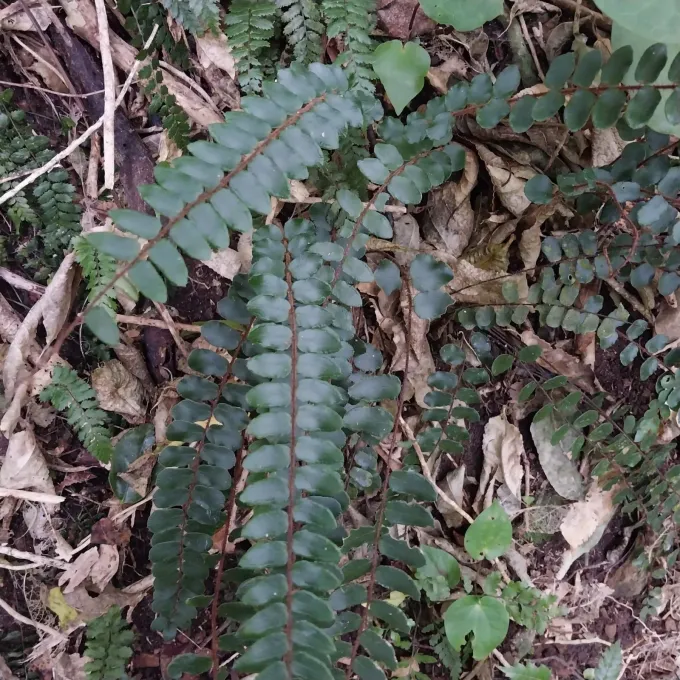
Description
Growing requirements
The Button fern (Pellaea rotundifolia) is a perennial spore-bearing plant belonging to the Pteridaceae family. Native to New Zealand, this fern naturally inhabits rock crevices, a trait that defines its specific environmental requirements in cultivation.
In agricultural practice, the crop requires a temperate climate without sharp temperature fluctuations. The optimal temperature range for vegetative growth is between 18 and 24 degrees Celsius. It is crucial to avoid overheating and direct sunlight, which can cause leaf scorch.
The growing medium must be loose, well-aerated, and have a slightly acidic to neutral pH. Substrates based on leaf mold, peat, and coarse sand are ideal. Ensuring a high-quality drainage layer in the container is essential, as waterlogging is detrimental to the root system.
Humidity management is vital, as the plant is sensitive to dry indoor conditions. Regular misting or using pebble trays with water is recommended. Watering should be carried out when the top layer of the soil feels dry, using soft, room-temperature water.
The primary use of Pellaea rotundifolia is in ornamental horticulture and interior landscaping. Due to its compact size and unique foliage structure, it is highly valued as a trailing or potted specimen, well-suited for terrariums or humid indoor environments.
Main diseases and pests
The main threats to the plant's health are fungal diseases caused by excessive soil moisture, which often lead to root rot. Fungicides with a broad spectrum of activity are recommended for treatment when necessary.
Common pests include scale insects and spider mites. When humidity levels are compromised, spider mite populations can expand rapidly. Therefore, regular visual inspection of the fronds is an essential maintenance practice for healthy plant development.