
Green cliff brake
Pellaea viridis
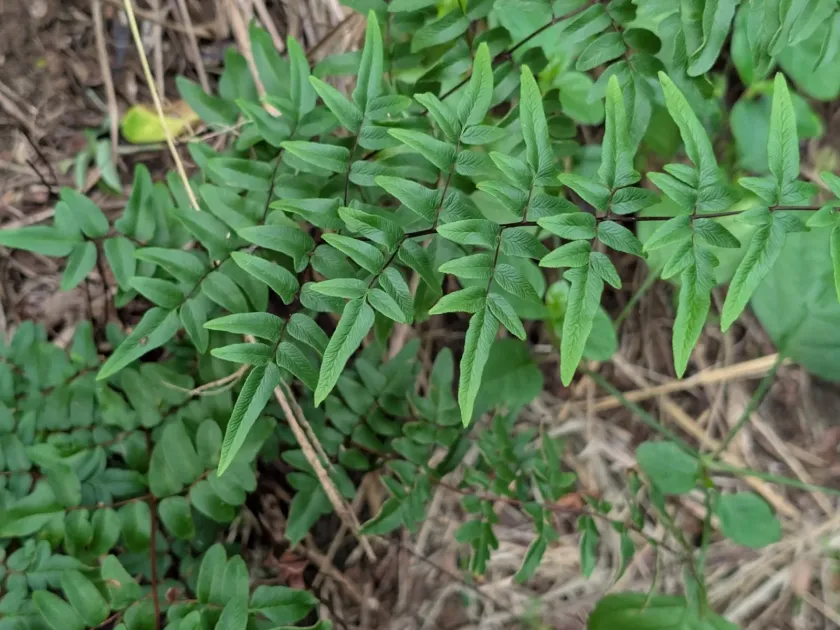
Description
Growing requirements
The Green cliff brake (Pellaea viridis) is a perennial fern species belonging to the Sinopteridaceae family. Originating from Southern and Eastern Africa, it is widely appreciated in horticulture for its vibrant green fronds and architectural structure.
This fern is characterized by its bipinnate leaves that rise from a central crown. Unlike many other ferns, Pellaea viridis has a slightly higher tolerance for varying environmental conditions, making it a favorite for indoor botanical collections.
Regarding climate, the plant requires bright, filtered light to thrive. It should be kept away from harsh, direct sunlight to prevent leaf scorch. Moderate room temperatures are ideal, keeping the plant within the 18°C to 24°C range throughout the growing season.
The substrate must be well-draining, porous, and slightly acidic. A mix of peat moss, pine bark, and coarse perlite works best. Proper drainage is essential to mimic the plant's natural habitat where moisture is present, but soil aeration remains high.
Regular watering is necessary, allowing the top layer of the soil to dry slightly between sessions. High humidity is beneficial for this species; misting the foliage or placing the container on a tray with pebbles and water helps maintain healthy growth.
Main diseases and pests
Typical pests include scale insects and spider mites. These small invaders often target the undersides of the fronds, sapping the plant's vitality and causing stunted growth if not addressed promptly with insecticidal soaps.
Root rot is the most common condition caused by improper irrigation. Constant waterlogging of the soil limits oxygen to the roots, providing an ideal environment for pathogenic fungi to thrive and destroy the fern's vascular system.
To prevent disease, avoid overcrowding plants, as good airflow reduces humidity around the foliage and limits the spread of pathogens. Keeping the foliage dry during irrigation also helps prevent leaf spot diseases.
Regular maintenance involves pruning dead or yellowing fronds. This not only improves the aesthetics of the plant but also removes potential sites for fungal colonies to establish themselves in the crown area.
If chemical treatment is required, ensure the product is labeled as safe for ferns, as these plants can be sensitive to strong horticultural oils and concentrated synthetic fertilizers applied directly to the root zone.