
Japanese rock brake
Cryptogramma japonica
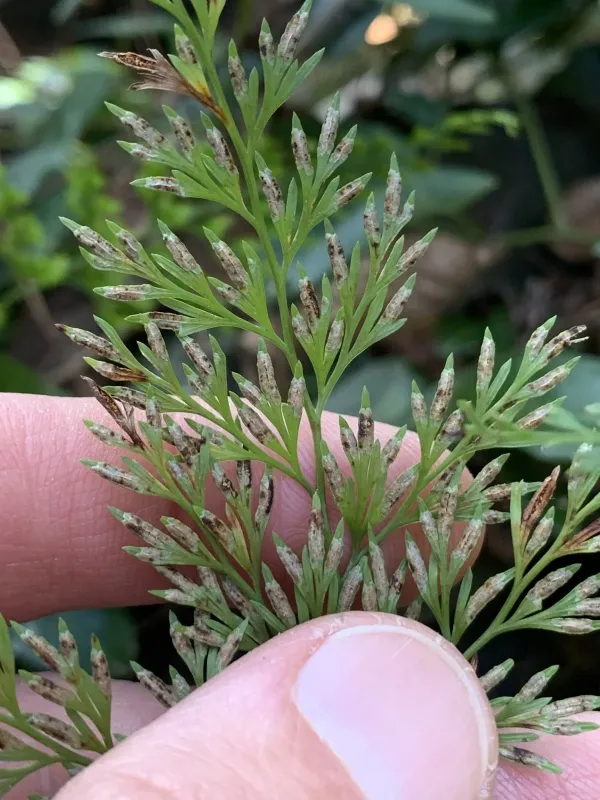
Description
Growing requirements
Japanese rock brake (Cryptogramma japonica) is a charming perennial fern species belonging to the Pteridaceae family. Native to East Asia, specifically regions within Japan and China, this fern typically inhabits rocky slopes and shaded mountain crevices.
For successful cultivation, this fern requires a shaded environment with high humidity. It is essential to protect the plants from harsh, direct sunlight, which can easily scorch its delicate foliage and lead to rapid dehydration of the root system.
The soil should be well-drained, porous, and slightly acidic, mimicking the natural scree environments where it thrives. Adding components like leaf mold, peat, and coarse sand or gravel ensures that water drains quickly while maintaining necessary moisture retention.
A consistent watering schedule is vital, particularly during the active growing season. The root zone should remain moist but never waterlogged; stagnant water is the primary cause of crown rot and subsequent plant loss in this species.
As an ornamental plant, it is widely prized in rock gardens and fern collections for its graceful, refined appearance. It excels in microclimates that provide cool nights and protection from drying winds, making it a perfect candidate for specialized woodland beds.
Main diseases and pests
The primary threats to Cryptogramma japonica include fungal infections such as root rot and leaf spot, which are almost exclusively triggered by poor drainage or excessive humidity without proper airflow.
Pests such as slugs and snails are significant threats to young fronds. Their feeding habits can quickly destroy the symmetry and health of the fern, often leading to secondary infections at the site of damage.
Improper placement, particularly in areas with hot, dry air, will lead to the browning and die-back of fronds. This environmental stress makes the plant more susceptible to opportunistic pathogens that would otherwise not affect a healthy specimen.
Preventative measures include the use of inorganic mulch, such as crushed stone, around the base of the plant. This practice prevents the crown from sitting in excessive moisture and creates a difficult surface for crawling mollusks.
Regular monitoring of foliage color and texture is recommended. Any signs of wilting or spots should be addressed by adjusting watering habits or improving site ventilation before applying targeted chemical treatments.