
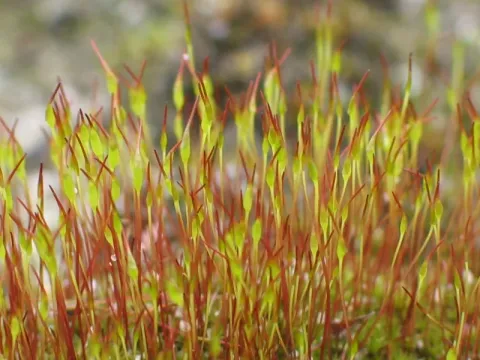
Tortula
Tortula
Tortula is a diverse genus of mosses belonging to the Pottiaceae family. These plants are recognized for their remarkable ability to colonize extreme environments, ranging from arid deserts to alpine regions.
What the section contains


Tortula
The distribution of this moss is global, making it one of the most resilient genera in the plant kingdom. Its physiological adaptations allow it to survive intense UV radiation and prolonged desiccation by entering a state of dormancy.
In terms of habitat requirements, Tortula favors mineral-rich, alkaline, or calcareous substrates. It thrives in open, sunny areas where it acts as a pioneer species, initiating soil formation on rocky terrain.
While not a traditional agricultural crop, Tortula holds significant value in landscape restoration. Its dense growth patterns effectively prevent erosion, making it a natural choice for stabilizing degraded land surfaces.
Botanically, the species is distinguished by its leaves, which often feature translucent hair points. These structures play a crucial role in water capture and reflection of excess sunlight, protecting the plant from overheating.
The primary threats to Tortula colonies include chemical pollutants, particularly high concentrations of nitrogen and sulfur in the air. Industrial fallout can severely inhibit their growth and reproduction.
Biological threats involve predation by small invertebrates and potential outbreaks of mold in stagnant, humid conditions. Competitive encroachment by invasive grasses can also displace the moss in favorable habitats.