
Dialytrichia
Dialytrichia
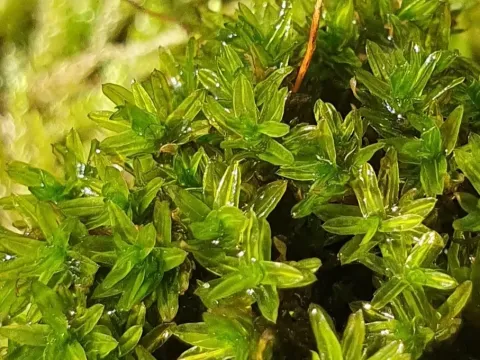
Dialytrichia is a genus of mosses belonging to the family Pottiaceae. It is essential to note that this genus is not a cultivated agricultural crop, but a wild bryophyte species found in specific natural habitats across its geographical range.
What the section contains

Dialytrichia
The habitat requirements for Dialytrichia are strictly tied to riparian environments. These mosses primarily grow on stone surfaces, tree bases, or soil that is subjected to frequent, periodic flooding by river water or high humidity in riparian zones.
The genus is mainly distributed throughout Europe and parts of Asia. It thrives in regions where the climate provides stable moisture levels and where the substrates are neutral or alkaline, as these chemical conditions are optimal for its survival.
Botanically, Dialytrichia is characterized by its specific leaf structures that are adapted to withstand fluctuating water levels. Its ability to remain submerged for short durations while recovering quickly when water recedes is a key evolutionary advantage.
While Dialytrichia has no direct agricultural use, it plays a vital role in ecological succession and soil stabilization along riverbanks. It serves as a biological indicator of water quality and habitat integrity in riparian ecosystems.
The most significant threats to Dialytrichia populations include water pollution from agricultural runoff and industrial wastewater. High concentrations of nitrates and heavy metals can disrupt the moss's physiological functions and lead to localized extinction.
Habitat destruction, such as the canalization of rivers and the removal of natural stone embankments, remains a critical threat. The reduction of suitable surfaces for attachment directly limits the expansion of these moss colonies in modified landscapes.