
Tortula lanceola
Tortula lanceola
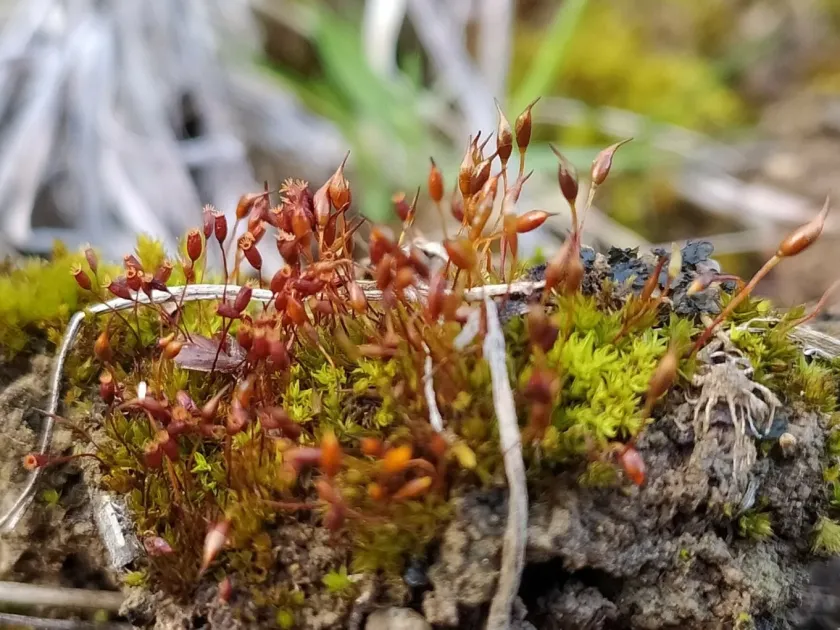
Description
Growing requirements
Tortula lanceola is a perennial acrocarpous moss belonging to the Pottiaceae family. This species is widely recognized by bryologists for its specific preference for alkaline substrates and its ability to thrive in challenging environmental conditions.
The natural habitat of this moss includes regions with temperate climates, where it colonizes open, sunny areas. It is frequently observed growing on limestone outcrops, calcareous soils, and man-made structures where mineral content is sufficiently high.
Botanically, the species is characterized by its compact, tufted growth habit and specialized leaf morphology. These adaptations allow the plant to efficiently manage moisture retention, enabling it to survive temporary dehydration cycles in its native environment.
Regarding soil requirements, Tortula lanceola demands a basic to neutral pH level. It thrives in locations where weathering processes release essential minerals, particularly calcium, which supports its physiological processes and structural integrity.
While not a traditional agricultural crop, this moss performs essential ecological services. It acts as a primary colonizer on bare soil, assisting in erosion control and contributing to the gradual development of stable soil structures through its biological activity.