
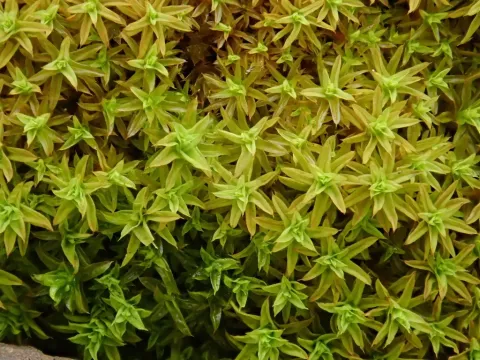
Barbula
Barbula
The genus Barbula is a significant group of mosses within the Pottiaceae family, recognized for its compact growth habit and resilience. These bryophytes serve as essential pioneer species, playing a crucial role in stabilizing soil and contributing to the formation of micro-ecosystems in diverse habitats worldwide.
What the section contains


Barbula
The distribution of Barbula is cosmopolitan, covering various regions from temperate to tropical zones. They are typically found in moist environments, including limestone outcrops, disturbed soil, and damp vertical surfaces, demonstrating high tolerance to fluctuating environmental conditions.
Successful cultivation requires meticulous attention to substrate moisture and mineral composition. Unlike vascular plants, Barbula lacks true roots, utilizing rhizoids for attachment while absorbing moisture and nutrients through its leaves. Therefore, the choice of substrate is paramount for long-term health.
Requirements for lighting vary slightly by species, but generally, diffused light is preferred to avoid overheating and dehydration. Maintaining a high atmospheric humidity is essential, as these plants lack a cuticle, making them highly sensitive to prolonged dryness and direct airflow.
In landscaping and specialized horticulture, the maintenance of Barbula involves ensuring clean water supplies and consistent, low-level mineral supplementation. Regular monitoring for competitive algae growth is necessary, as these can quickly overrun moss colonies and inhibit their expansion.
Major threats to the health of Barbula include fungal pathogens triggered by poor air circulation and excessive water stagnation, which lead to rapid decay of the moss colony.
Insects like fungus gnats and soil mites often cause mechanical damage to the rhizoids. Furthermore, excessive chemical applications or the presence of heavy metals in the water can inhibit growth, as bryophytes are highly sensitive indicators of environmental pollution.